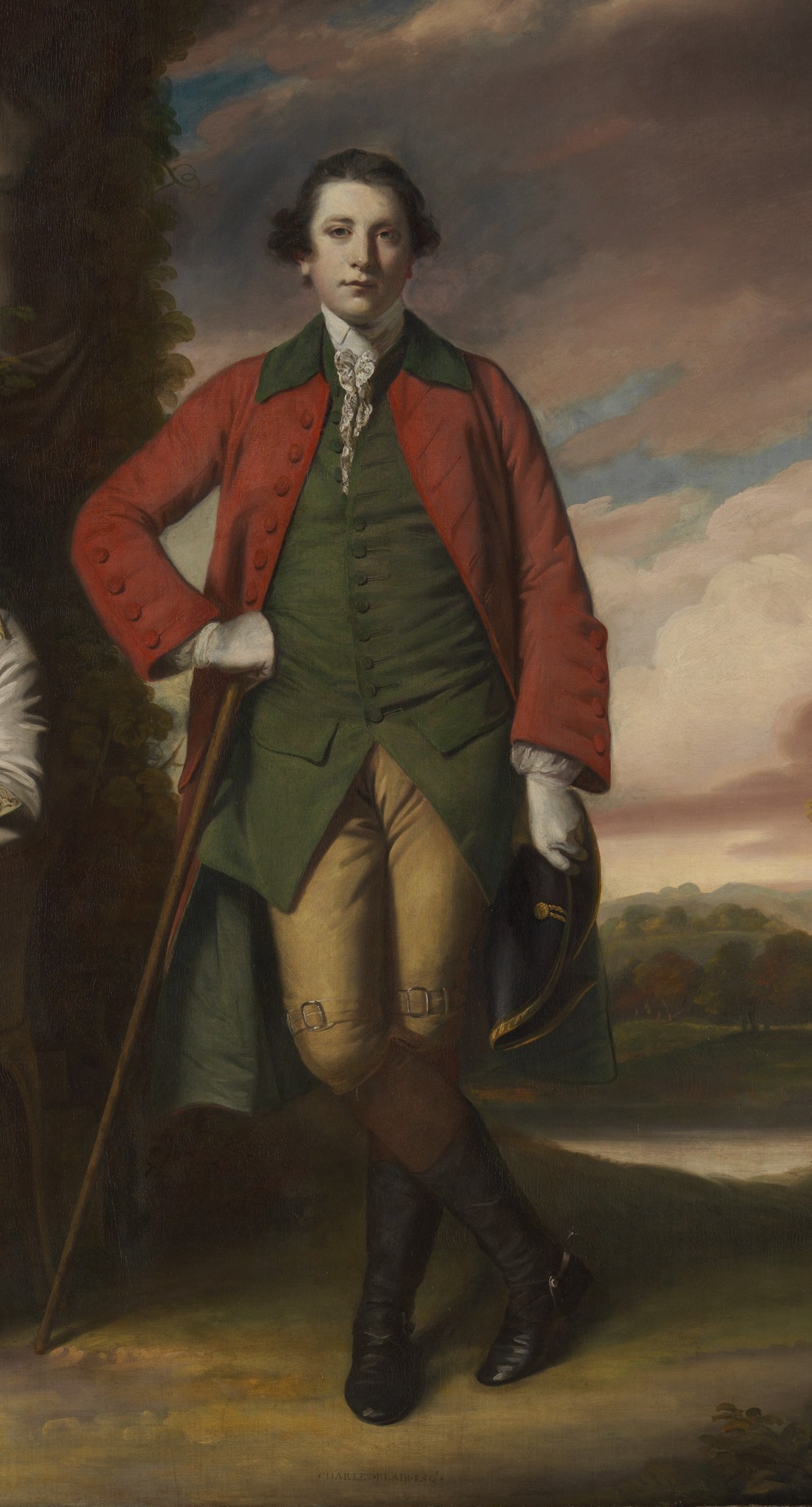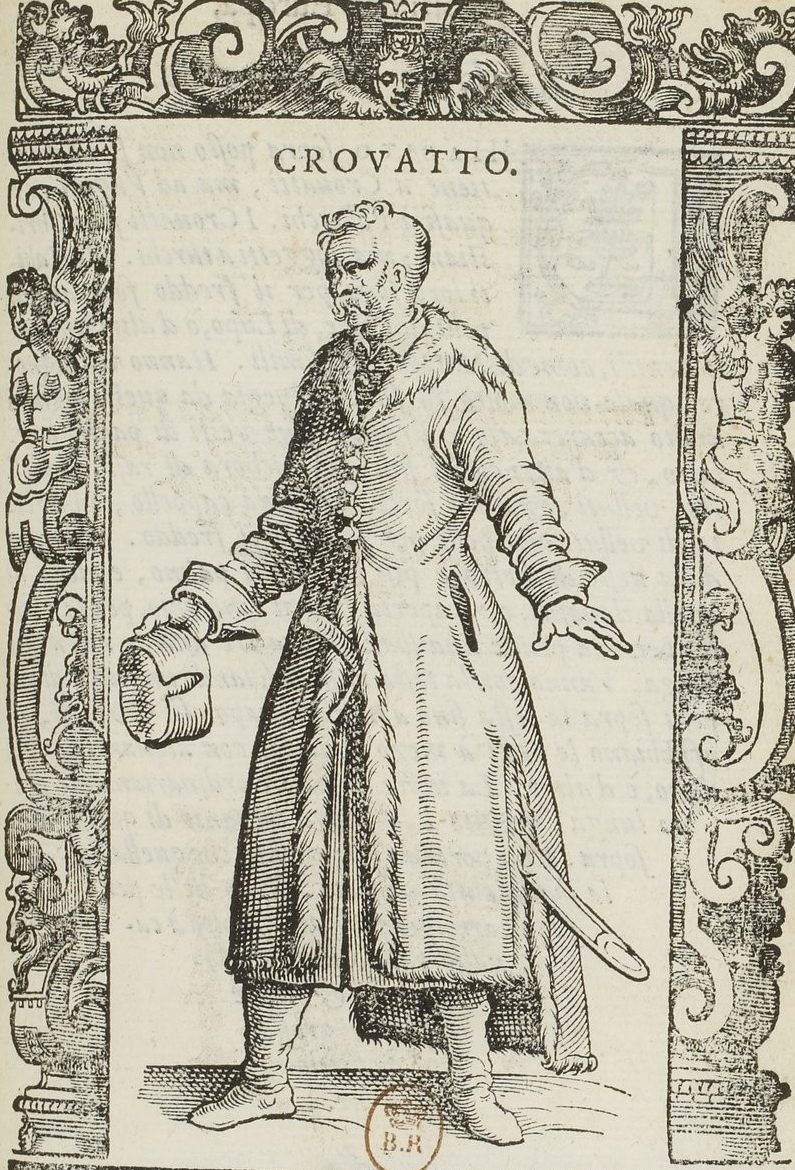
Although Croatian soldiers in the Thirty Years’ War established the first cravat as a fashion accessory, many interesting forms of proto-cravats can be found in prehistory. The practice of wearing a scarf is visible on soldiers from ancient Rome and the beginnings of Chinese civilization.
From antiquity to the Renaissance, men generally left their necks uncovered. However, the evolution of clothing neck accessories brings interesting stories:
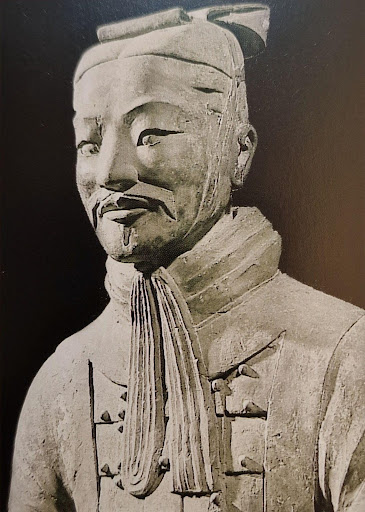
- Ancient China (3rd century BC): The Terracotta Warriors, discovered in 1974, wore a kind of scarf around their neck. These scarves were believed to protect the Adam’s apple, a symbol of strength and vitality.
- Ancient Rome (2nd century): Roman soldiers wore “focale”, knotted scarves to protect against the cold, depicted on Trajan’s Column in Rome. The name comes from fauces (throat) or focus (bearer of heat). Although primarily practical, “focale” were also worn by speakers and people with sensitive health.
- Egypt and Phoenicia: Upper-class Egyptians and Phoenicians wore decorative necklaces with geometric patterns, often in bright colors.
Therefore, the neck ornament initially had a practical function and appeared in interesting ways in the past in interruptions. In 1660, after more than a thousand years of discontinuity, Croatian soldiers brought the cravat as a fashion accessory to France during the reign of Louis XIV, thus beginning the story of the modern cravat.
This transformation demonstrates the enduring importance of neckwear, from practical beginnings to an elegant symbol of identity.