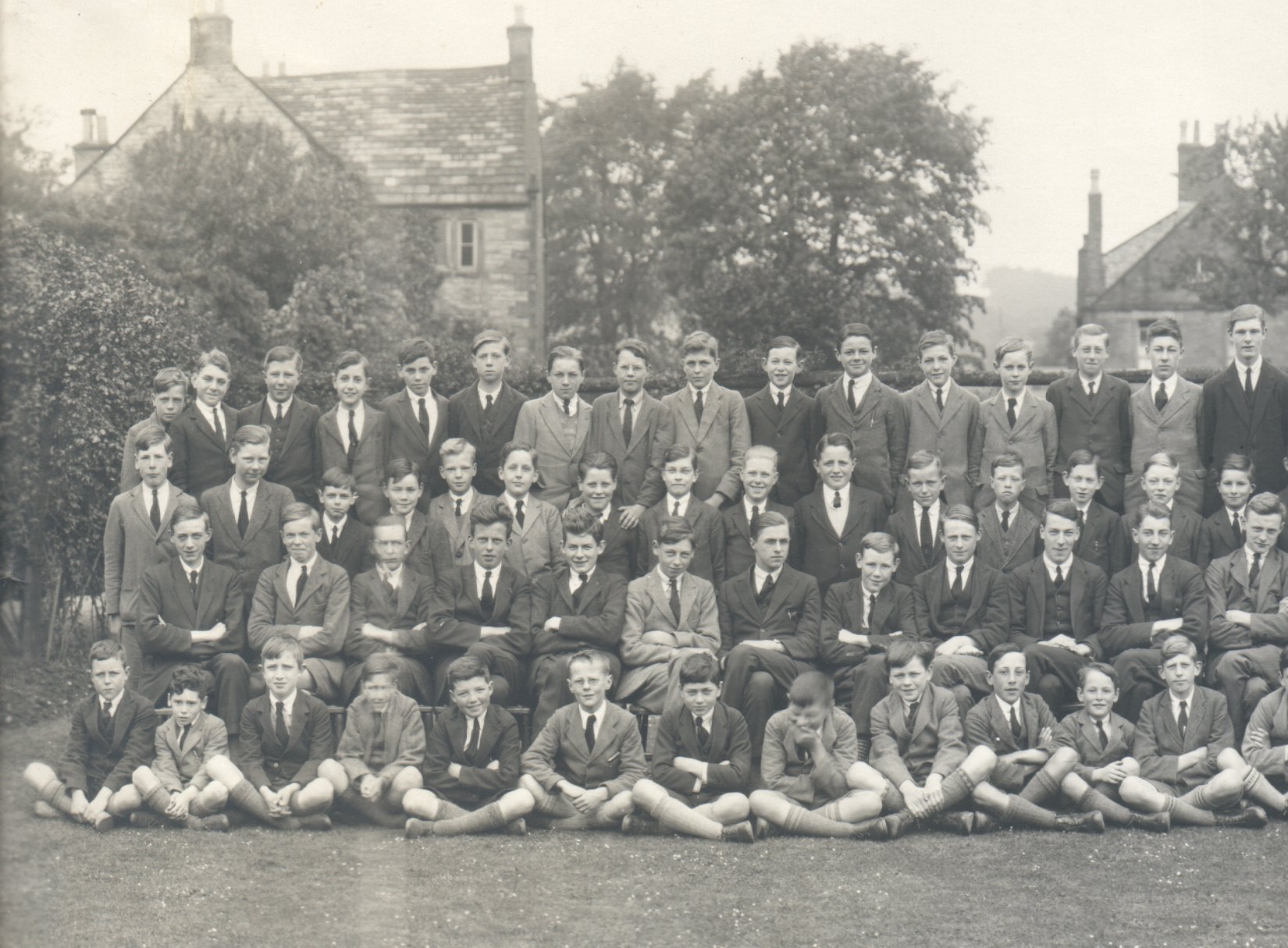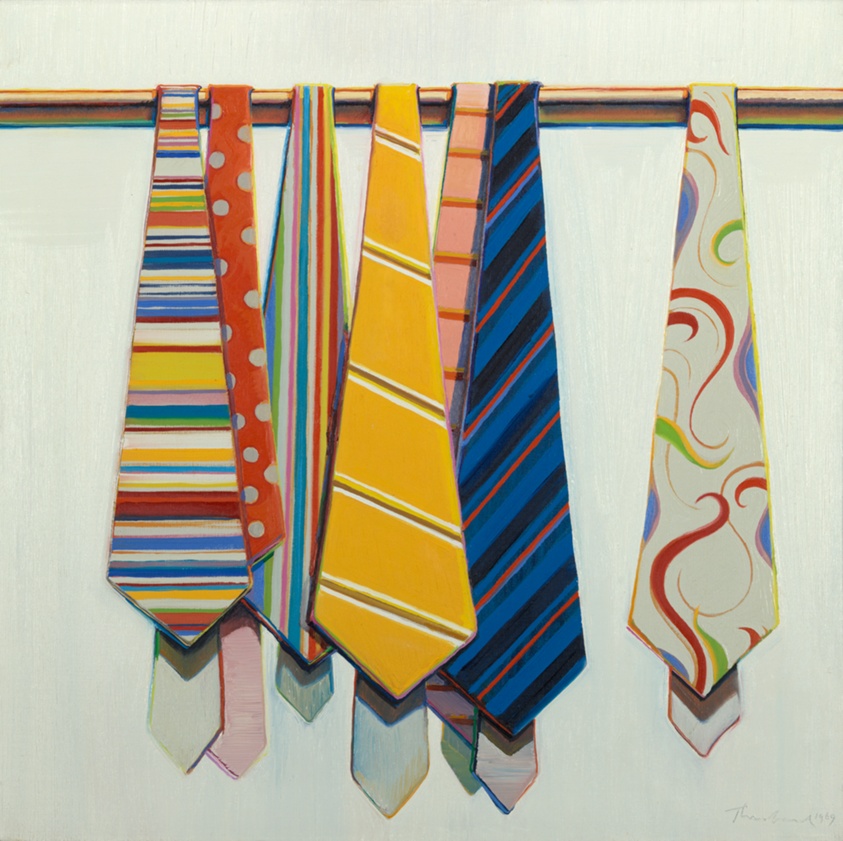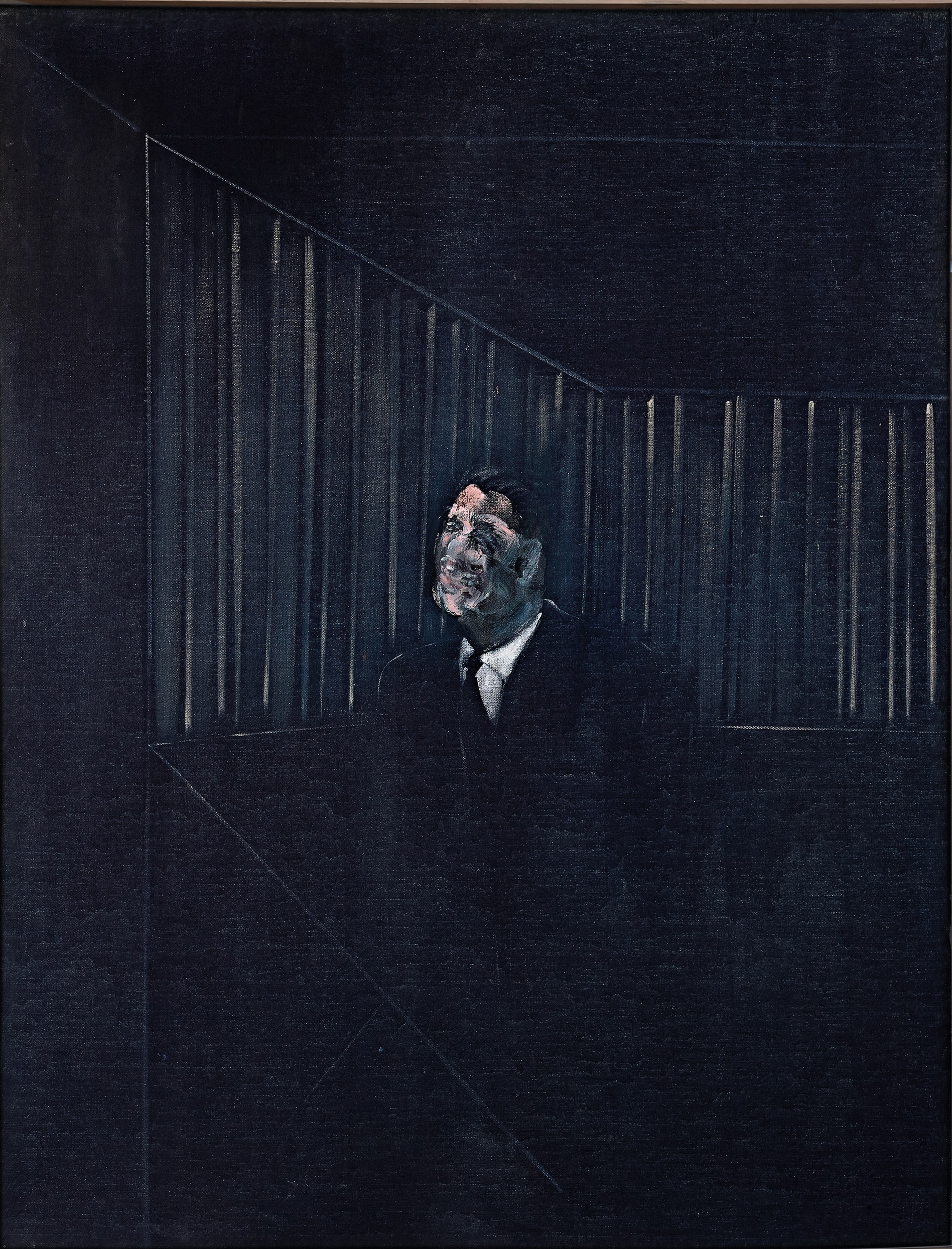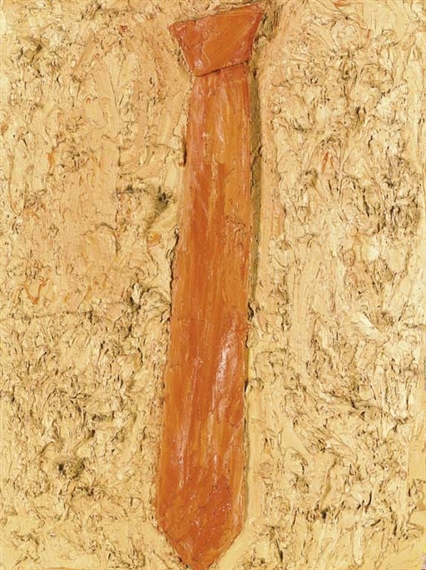
Tom Wolfe on a time when clothing acknowledged the weight of space.
There was a time — and not so long ago — when dressing was not a matter of mood,
but an acknowledgment of space. Entering the evening meant preparation.
Not hurried, not casual, but composed.
A starched shirt. A stiff collar. A waistcoat. A tailcoat. And finally, “white tie” —
the small white bow tie worn with full evening dress — tied with the precision of a surgeon
and the patience of a monk.
In his 1970 essay The White Tie and the White Shirt, Tom Wolfe was not merely writing about clothing.
He was writing about the disappearance of ritual. About a culture that gradually decided comfort was the new virtue
and formality a relic of some impractical past.
With characteristic irony, Wolfe observes how “white tie” — once the pinnacle of social seriousness
and the strictest form of evening dress — became almost a museum artifact.
It did not vanish because it was unattractive. It vanished because it required effort.
And effort became suspect. Because if you tried too hard, perhaps — heaven forbid — you actually cared.
“White tie” was never just a piece of fabric. It was a test. A test of patience, of precision, of character.
You could not simply slip it on. You had to earn it — through the mirror, through concentration, through repetition.
Wolfe reminds us that formal dress was not only an aesthetic choice;
it was an acknowledgment that the space one entered had weight.
The opera was not the living room. A gala dinner was not a hurried lunch. Clothing created distinction.
Perhaps no one starches collars to perfection anymore. Perhaps the tailcoat belongs to another era.
But the idea that certain moments demand an added measure — that idea has not vanished.
In a time that values simplicity and spontaneity, it is worth remembering that the ritual of dressing
was once a way of honoring space. And that the gesture carried weight.