Culture and Style

The Poetry of Elegance: The Necktie from Baudelaire and Beyond

A Stylistic Ode to the Tie – From 19th-Century Paris to the Present Day

Charles Baudelaire once said that a true modern artist is one who is able to show the epic side of everyday life and show how poetic we are, even in our choice of ties.

In her novel Signorsi, Italian author Liala describes how the way a man tightens his tie can reflect either comic absurdity or refined elegance. It depicts different types of men: careful clerks and teachers who tighten the tie slowly to avoid damaging the fabric, students who consider the tie a luxury item, and methodical, elegant men whose knot unfolds perfectly under their fingers. He then mentions the truly sophisticated men, the ones who wear silk underwear under their evening suits and remain frustrated even when they create the perfect knot.

In 1927, industrialist Cesare Salterio of Larian organized a competition for the “most beautiful tie in the world”, which attracted more than 7,000 designs from more than 500 authors from Italy, France, Austria, Switzerland and other countries. This unexpected success was celebrated by experts such as Guido Marangoni, director of the Biennale of Decorative Arts Exhibition in Monza, who later helped elevate the competition to an international level.
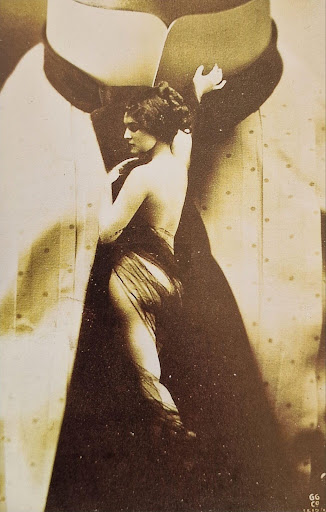
Reference: The Little Book of Ties, F. Chaille
Don’t miss the latest news and useful tips! Subscribe to our newsletter and receive exclusive content directly in your inbox.

By signing up, you agree to our Terms of Use (including the class action waiver and arbitration provisions) and acknowledge that you have read our Privacy Policy.

Read More

The Cravat Through Time
How the word cravat preserves the origins, history and meanings of the cravat
European Traces of the Cravat
Zadar Inventories and Dress in the Croatian Style
Proportion and Harmony
On slight irregularity, proportion and the trace of the hand that give a well-tied necktie its character.
Cravat Knots
How the attempt to imitate the Duke of Windsor’s style gave rise to one of the world’s best-known tie knots.

Most Popular

Cravat Knots
How the attempt to imitate the Duke of Windsor’s style gave rise to one of the world’s best-known tie knots.
Proportion and Harmony
On slight irregularity, proportion and the trace of the hand that give a well-tied necktie its character.
European Traces of the Cravat
Zadar Inventories and Dress in the Croatian Style
The Visual Language
When the Tie Speaks – A Silent Expression of Personality and Culture
Culture of Form
On uprightness as an aesthetic and inner stance