Is there a limit to the symbolism of the necktie? What does it truly celebrate?
Question to the editor:
Why is something as seemingly worldly as the necktie burdened with so much symbolic weight? Over the years, neckties have developed as symbols of noble origin, social status, coming of age, blind adherence to tradition, and of course, male sexuality. In the sixties, the necktie was a symbol of institutionalism, which had a negative connotation, and in the eighties it represented power and financial success with a very positive tone.
There has even been an attempt to link economic trends with neckwear. Do wide ties really appear when the stock market is booming?

Greg Spring equates neckties with the great lie (“Diploma, Tie and a Lie,” Op-Ed, Sept. 19). He equates them with all the sycophancy one must endure to achieve social success. We, of course, see the necktie as a symbol of truth, justice and American style.
No one applies this entire philosophy to shoes, shirts, hats or belts. Why ties? Because they carry an aura of mystery and romance. They do not cover bare skin or keep one warm on windy days. They are certainly not practical, nor are they particularly modern.
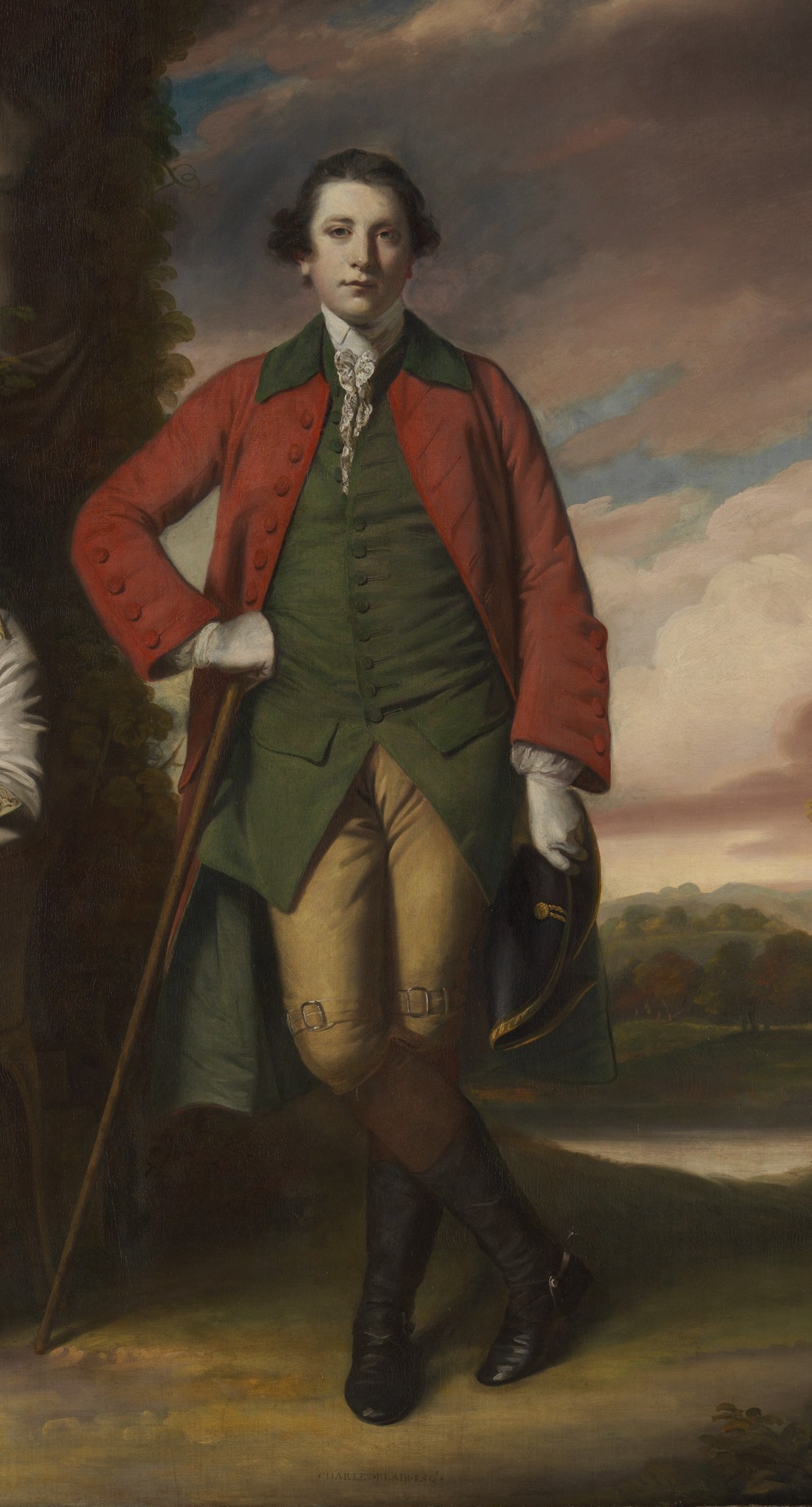
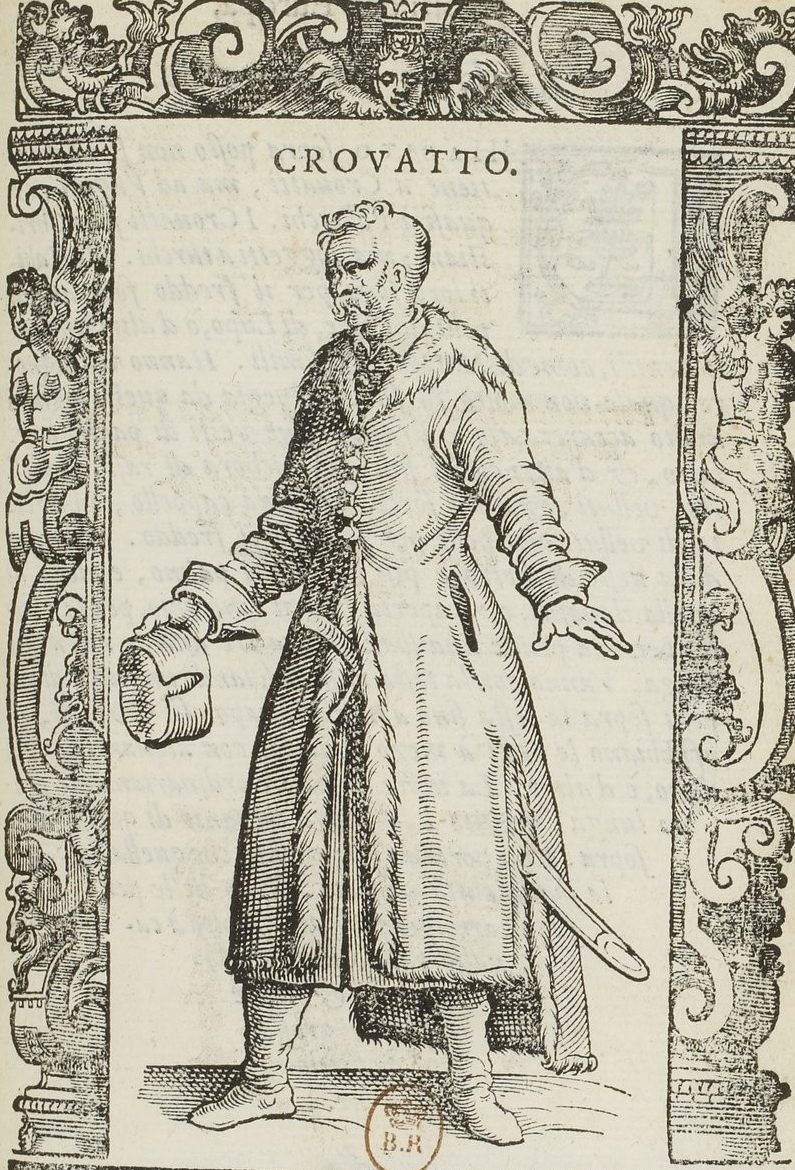
They are a link with a mystical past where a knight would display his colors before setting out into the world.
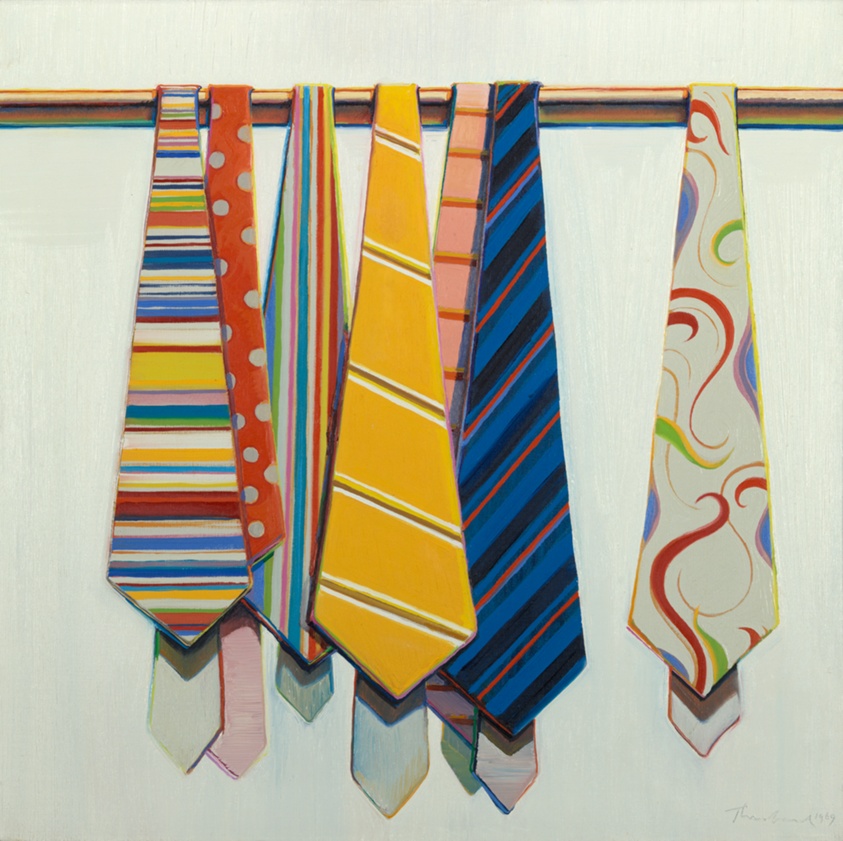
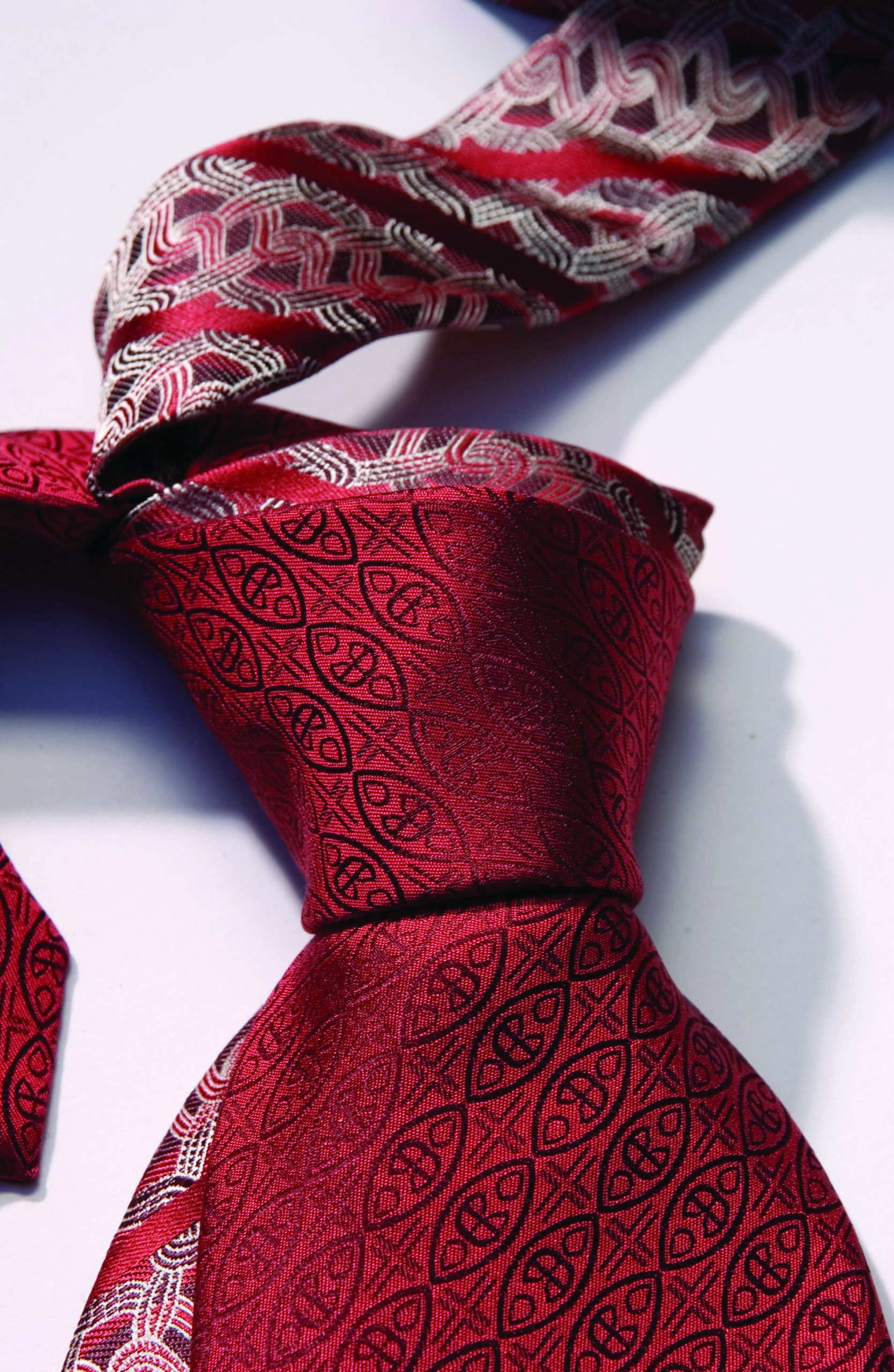
They are banners showing moods, emotions, or a socio-economic message of the wearer that may or may not be properly transmitted or interpreted. They are a celebration of color, beauty and tradition in an otherwise gray and unstable world.
Symbolism is tied to the necktie because its function is largely symbolic. However, like beauty, symbolism lies in the eye of the beholder: what is a great lie to one is a magnificent tie to another.
GERALD ANDERSEN, Executive Director of the Neckwear Association of America in New York, Sept. 19, 1989.