The Tie as a Sculpture of Motion – Frankfurt’s Inverted Collar & Tie
Amid Frankfurt’s financial district — where glass and steel dictate the rhythm of the working day — rises an unexpected, almost “soft” landmark: the sculpture Inverted Collar & Tie. Created by American sculptor Claes Oldenburg and Dutch artist Coosje van Bruggen and installed in 1994 in front of the then DZ Bank headquarters in the Westend district, this oversized collar and tie erupt from the pavement like a frozen moment where the wind decided to play with fabric.
Tension Between Form and Meaning
The sculpture refuses the logic of its object. The tie does not fall neatly down the shirtfront but twists, inverts, and floats. The collar — a classic symbol of rigidity — appears open and fractured, almost liberated. This “upside-down” gesture creates tension: an everyday item that stands for uniformity, hierarchy and rules becomes, in art, a sign of movement, freedom and altered perspective.

Material as Irony and Beauty
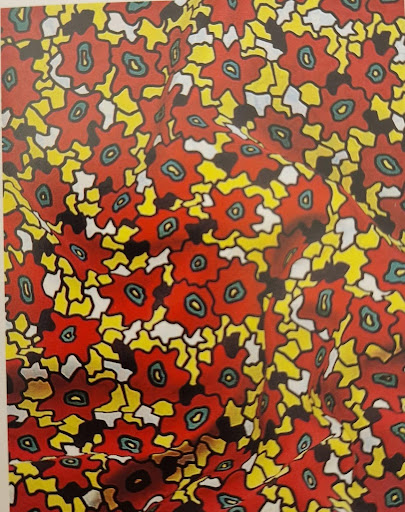
Standing nearly 12 metres tall and weighing about 7.5 tonnes, crafted from steel, fibreglass and resin, the sculpture has monumental weight yet a surface that feels almost textile-like. In this contradiction lies its force: monumental turns tender, cold turns soft, static turns dynamic. The sculpture does not simply “stand” — it “dances” in the space of the banking district.
A Reflection of City and People
Seen up close, the viewer becomes part of the work. Windows, sun reflections and raindrops mirror off its surface — each moment creating a new pattern. Tourists photograph it with delight, passers-by glance back at it, and city guides use it as shorthand for a different Frankfurt — one that embraces humour and self-irony in the heart of finance.
An Invitation to Re-examine
Inverted Collar & Tie gently reminds us that our everyday symbols — from garments to gestures — are also cultural codes. It does not discard them but reshapes them, opening space for new readings and experiences. Rather than an attack on the business world, the sculpture feels like a meditation on its rituals, its beauty, and its absurdities.
The Aesthetics of the Unexpected
Ultimately, this installation is more than a photographic landmark. It is a small act of rebellion amid the glass and stone, an artistic “sigh” among skyscrapers. It suggests that even the most serious places can harbour poetry — and that the strictest symbols can breathe anew in another dimension.