Style and Identity

The aesthetics of the tie and male-female relationships

How the Tie Shapes Gender Relations

A tie is not only a symbol of elegance, it is an unbreakable link between the male and female worlds, shaped in emotional moments of human history.

Long before the tie spread across Europe, women created and tied scarves to their loved ones as a sign of love – a counterpart to the modern engagement ring. This act was more than a practical gesture – it was deeply symbolic, a statement of love, belonging and loyalty. By tying a tie, women expressed choice, trust and commitment to men, but also gave them a symbol that emphasized their elegance, stature and spirit.

A tie, as a vertical symmetry on the male body, represents masculinity, upright posture and strength, while it is precisely women who have shaped the tie throughout history as an ornament, symbol and artistic expression. In this act, the beauty and nature of a woman are tied to the character of a man – creating a unity that transcends time.

To this day, women are often the best choosers of ties, recognizing what best emphasizes male elegance. The tie thus becomes a symbol of communication, mutual respect and the harmonious synergy of two worlds.
Don’t miss the latest news and useful tips! Subscribe to our newsletter and receive exclusive content directly in your inbox.

By signing up, you agree to our Terms of Use (including the class action waiver and arbitration provisions) and acknowledge that you have read our Privacy Policy.

Read More

At the French Court
How the cravat entered royal representation under Louis XIV and became a courtly norm, from the early 1648 portrait to Louis XVI.
Evolution of form
How Beau Brummell turned simplicity, precise tailoring and the white cravat into a new ideal of male elegance at the beginning of the 19th century
Evolution of form
From Neckclothitania to The Art of Tying the Cravat: how named knots, manuals and rules transformed neckwear in the early 19th century
Evolution of form
How the four-in-hand knot, turn-down collar and lounge suit helped shape the modern necktie during the 19th century.

Most Popular

Cravat Knots
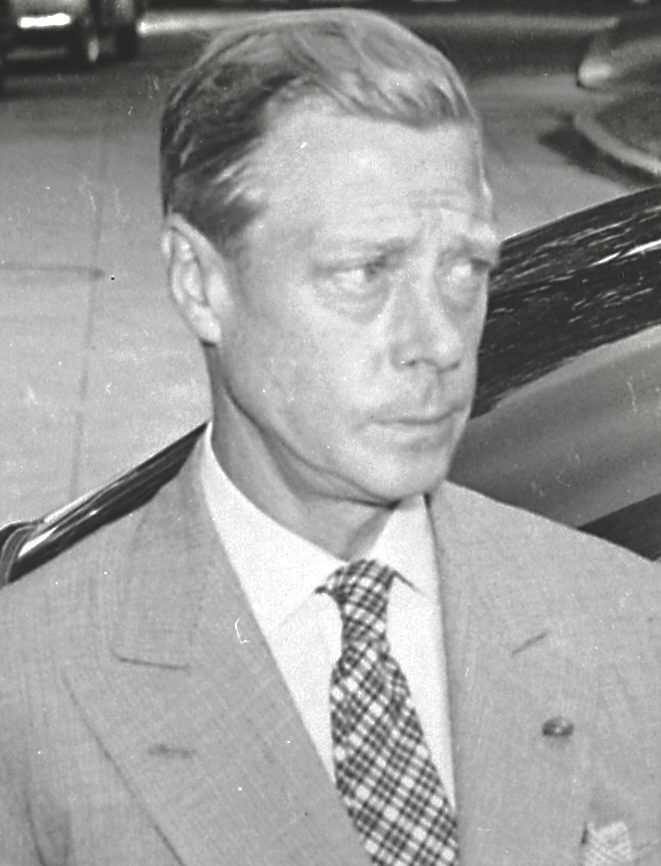
How the attempt to imitate the Duke of Windsor’s style gave rise to one of the world’s best-known tie knots.
Proportion and Harmony
On slight irregularity, proportion and the trace of the hand that give a well-tied necktie its character.
Evolution of form
From Neckclothitania to The Art of Tying the Cravat: how named knots, manuals and rules transformed neckwear in the early 19th century
European Traces of the Cravat
Zadar Inventories and Dress in the Croatian Style
The Visual Language
When the Tie Speaks – A Silent Expression of Personality and Culture