The Psychology of the Knot

Colors as EMOTIONS

How Tie Colors Shape Perception, Emotion, and Personal Style

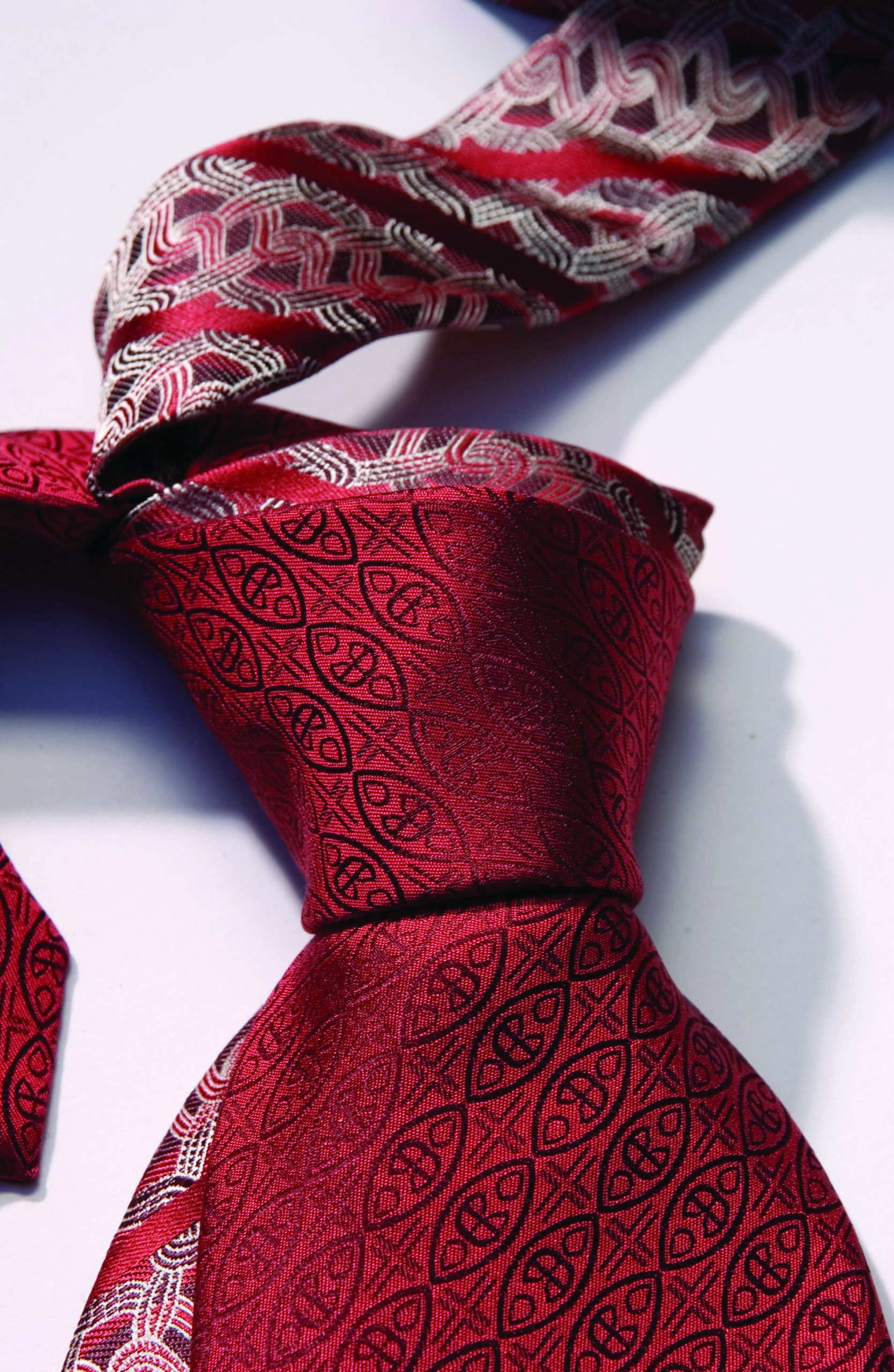
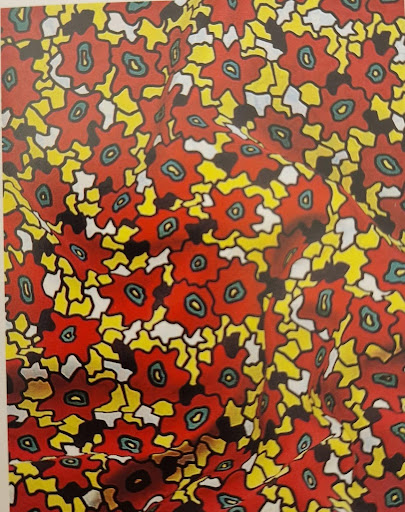
When choosing a tie, the colors are what first attract attention, and only then the design. Hubert di Givenchy said that a tie with pleasant colors has a better chance of being chosen than one with a striking design but unattractive colors. The colors on a tie evoke immediate emotions that are stronger than those arising from the touch and feel of the fabric. Although the weight, size and feel of the fabric are important, the color of the tie gives additional symbolic value and aesthetic quality. On the other hand, color can quickly make a product obsolete. The mastery of top tie manufacturers is manifested in their ability to predict and recognize in advance the colors that will attract their customers.

The perception of color depends on the personal culture of the individual, his ability to perceive colors and the emotional state that the color evokes. Therefore, the colors on a tie require expert coordination, analysis of shopping trends and the ability to harmonize possible color combinations. There are numerous treatises on the meaning of colors and the psychological impact they have on purchasing behavior and the desire for daily changes that are typical of fashion. The following are brief indications about colors that might lead us to say: “Show me the color of your tie and I will tell you who you are.”

References: Nodus no.3
Don’t miss the latest news and useful tips! Subscribe to our newsletter and receive exclusive content directly in your inbox.

By signing up, you agree to our Terms of Use (including the class action waiver and arbitration provisions) and acknowledge that you have read our Privacy Policy.

Read More

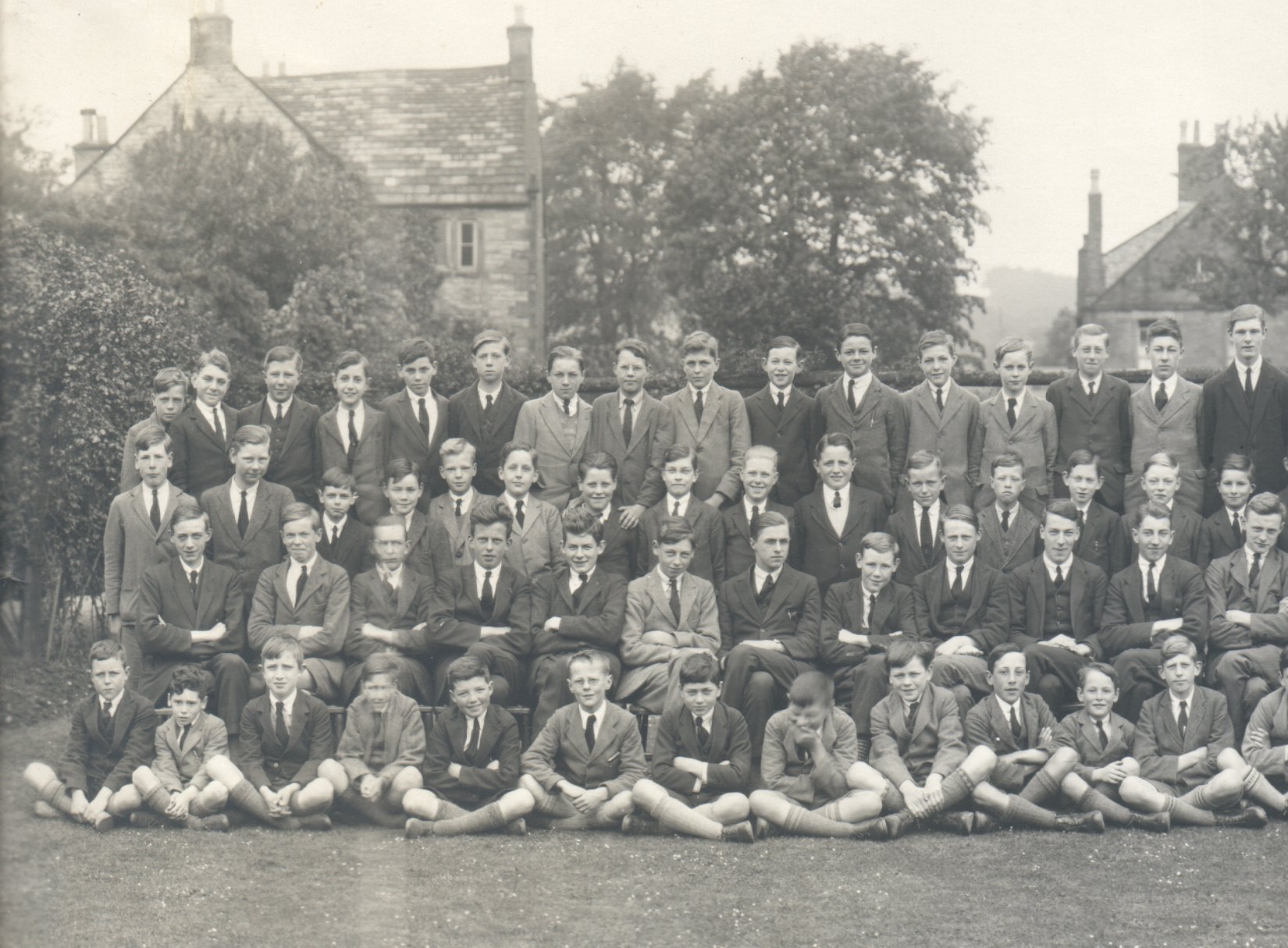
A Sign of Belonging
How colours, stripes and patterns on the tie became a discreet language of shared identity
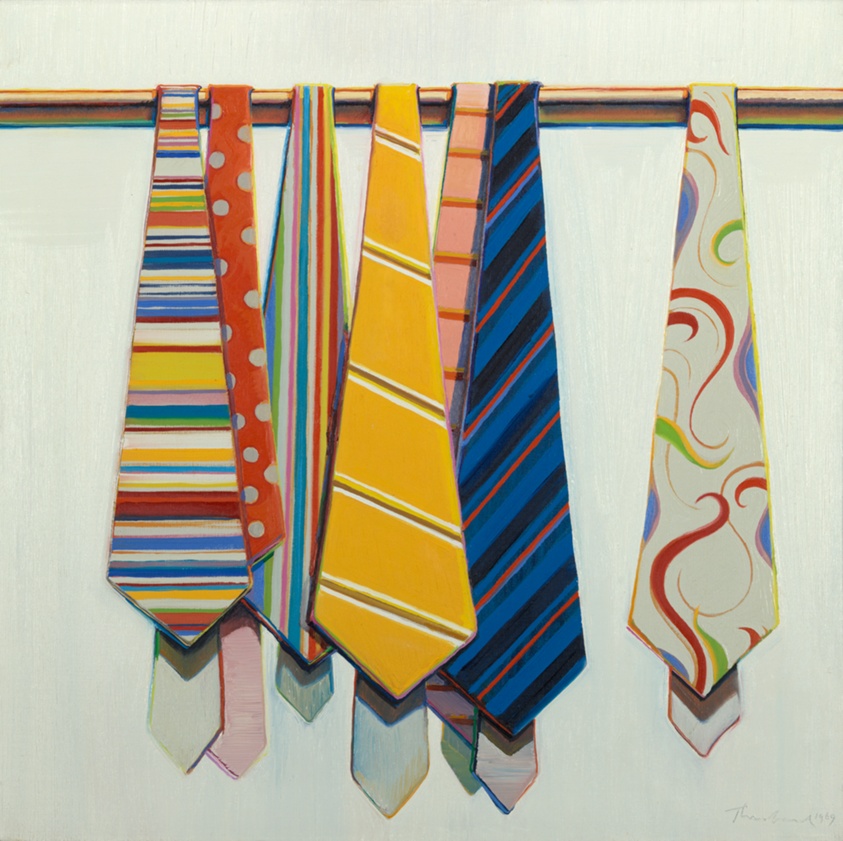
The Cravat in Art
How the repetition of a single form turns the tie into a rhythm of colour, pattern and difference
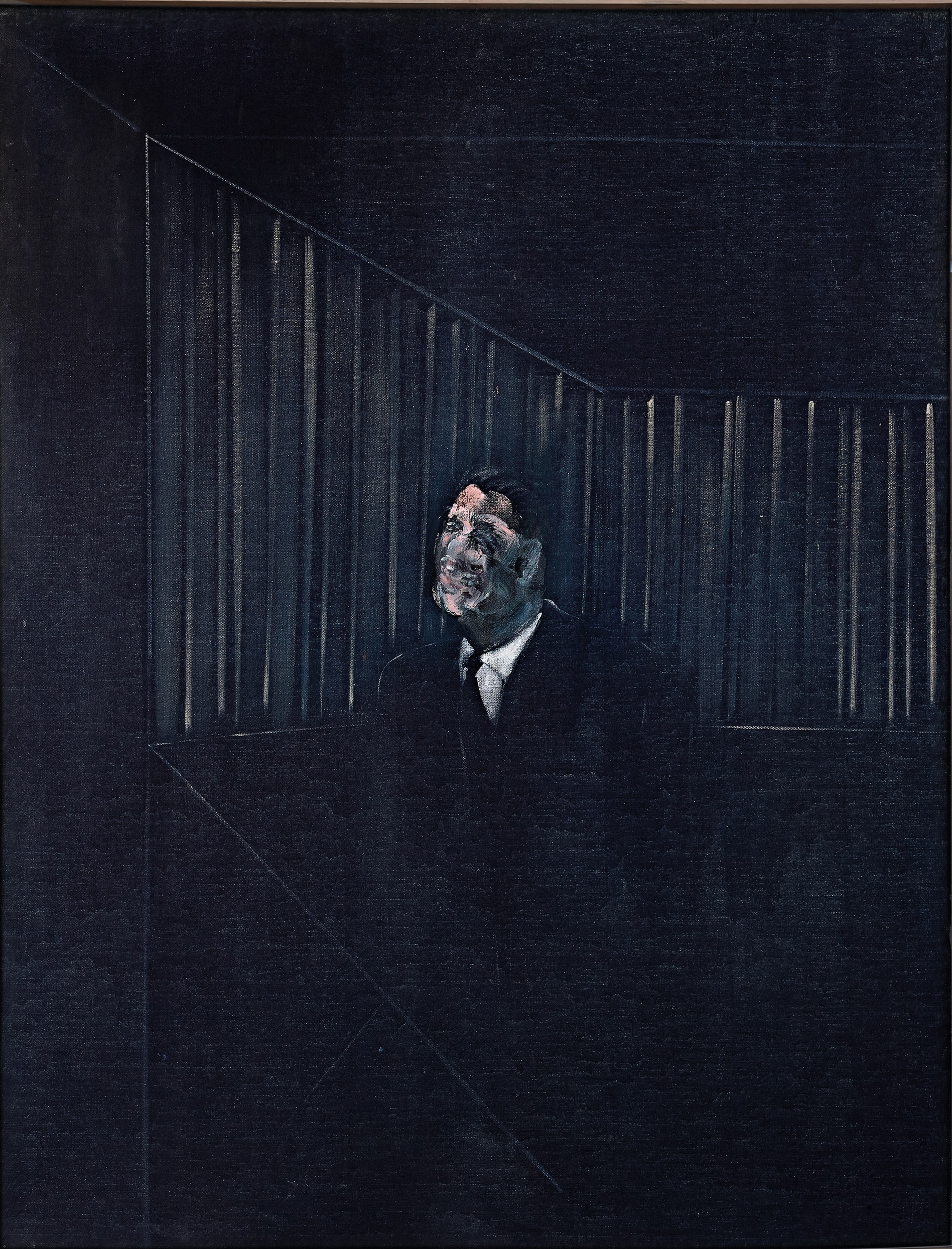
The Cravat in Art
How the tie remains one of the few stable signs of identity as the face dissolves into darkness in Bacon’s portraits.
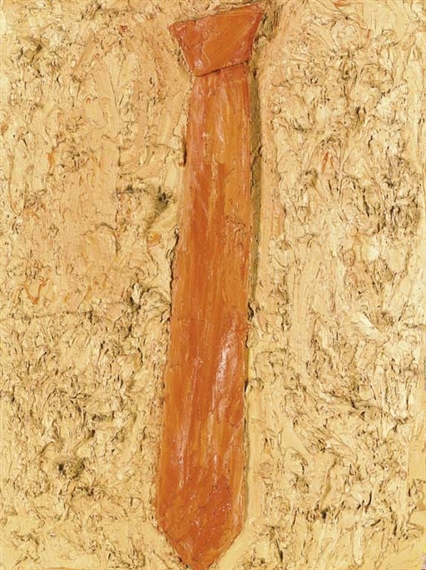
The Cravat in Art
How an everyday garment crosses the boundary between image, object and personal sign

Most Popular

Cravat Knots
How the attempt to imitate the Duke of Windsor’s style gave rise to one of the world’s best-known tie knots.
Proportion and Harmony
On slight irregularity, proportion and the trace of the hand that give a well-tied necktie its character.
The Great Masculine Renunciation
How the increasingly restrained male suit turned the tie into a small space for colour, choice and personal expression
Evolution of form
From Neckclothitania to The Art of Tying the Cravat: how named knots, manuals and rules transformed neckwear in the early 19th century
European Traces of the Cravat
Zadar Inventories and Dress in the Croatian Style
The Visual Language
When the Tie Speaks – A Silent Expression of Personality and Culture