Zeynep Munzur’s “Kravata” exhibition as an artistic trace of friendship between Croatia and Türkiye
From time to time, the tie appears somewhere beyond the familiar world of dress. It leaves the wardrobe, the protocol, the habits of everyday life – and enters the gallery, the canvas, the language of art, or the space of diplomatic encounter.
One such example is the exhibition “Kravata” by Turkish artist Zeynep Munzur, presented in collaboration with the Embassy of the Republic of Croatia in the Republic of Türkiye, with the coordinating engagement of Lovorka Ostrunić. In the exhibition catalogue, the tie is described as an object that, throughout history, has moved beyond the role of a clothing accessory and become a cultural symbol, as well as a motif that contemporary art can observe through form, colour, texture and personal expression.
The Tie Beyond Its Usual Function
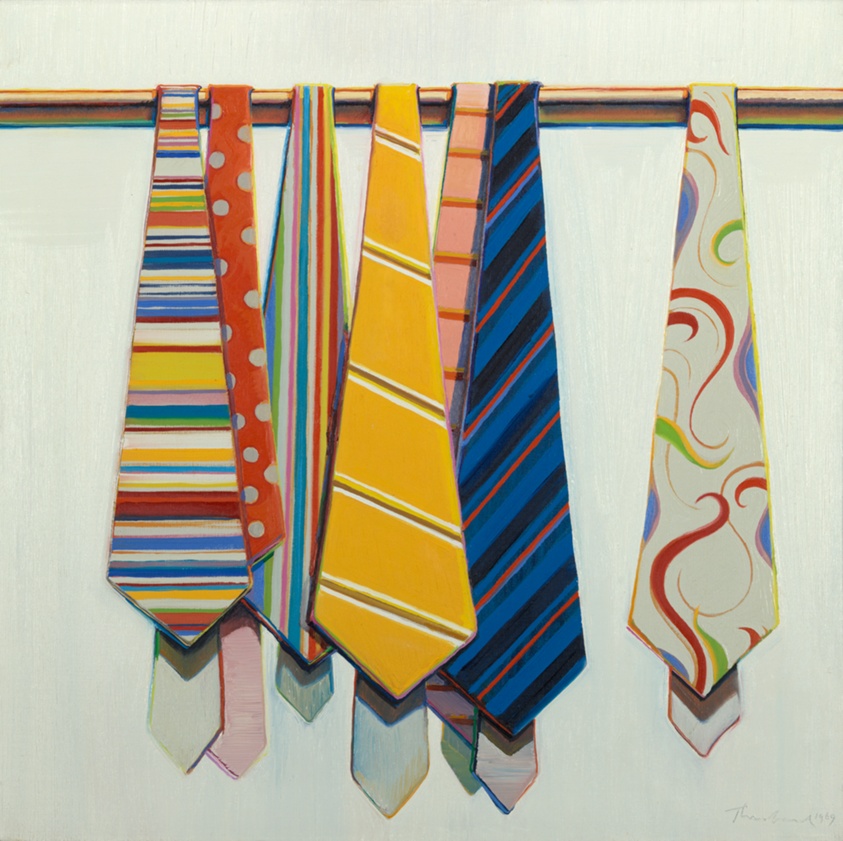
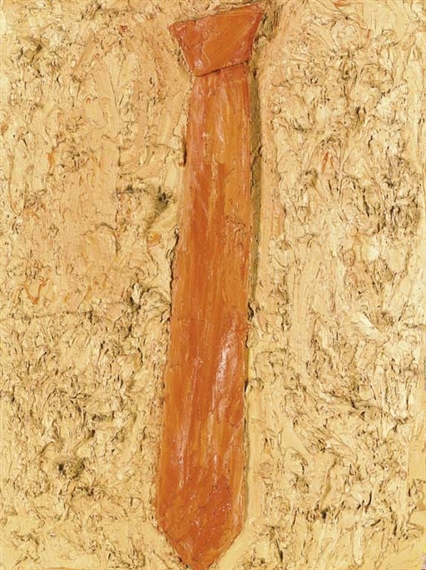
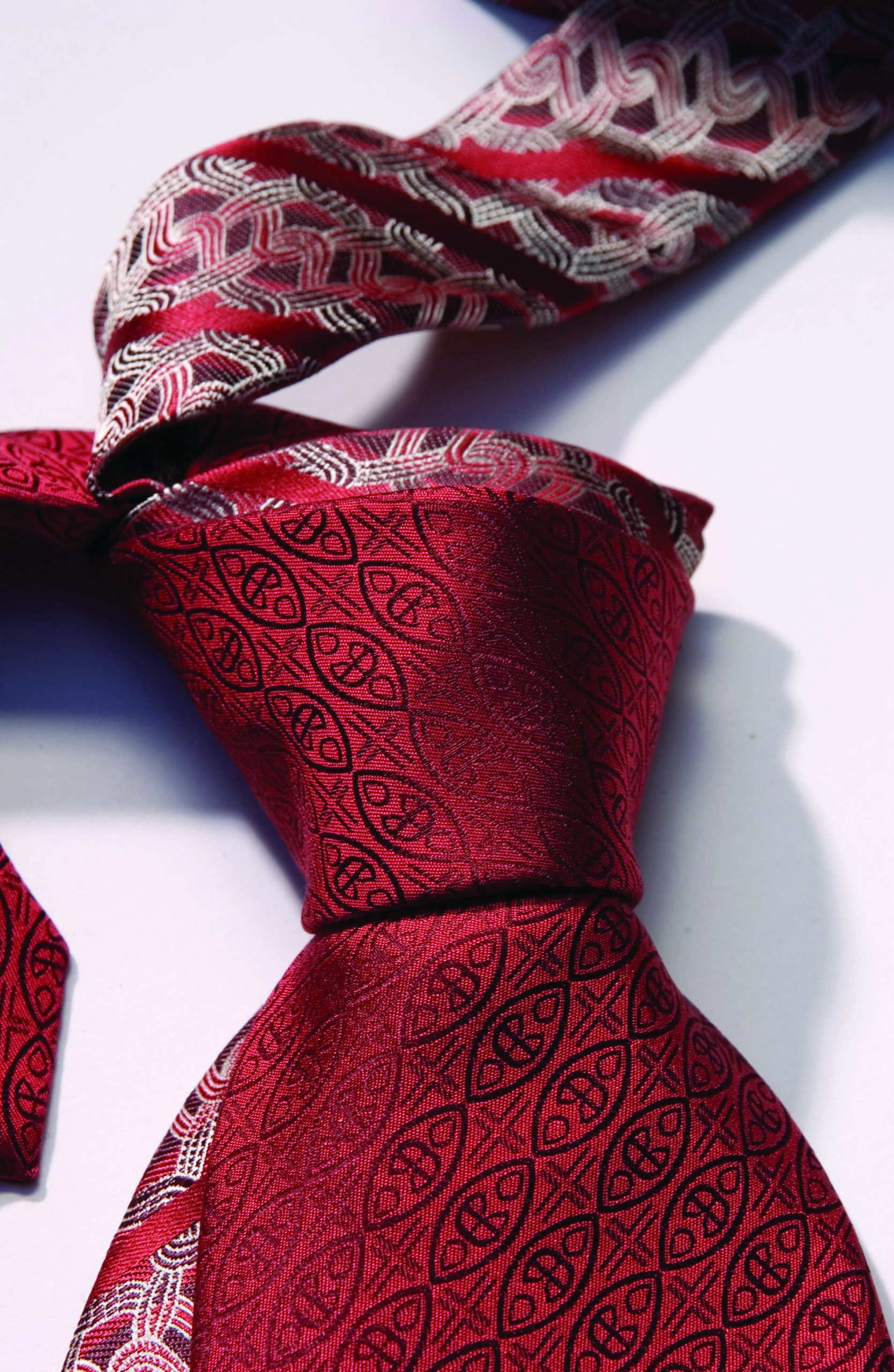
When the tie is moved into a gallery, it ceases to be merely an accessory to a suit. It becomes an independent form: a knot, a line, a vertical presence, a trace of fabric. What is often glanced at in everyday life gains a different kind of visibility in the exhibition space.
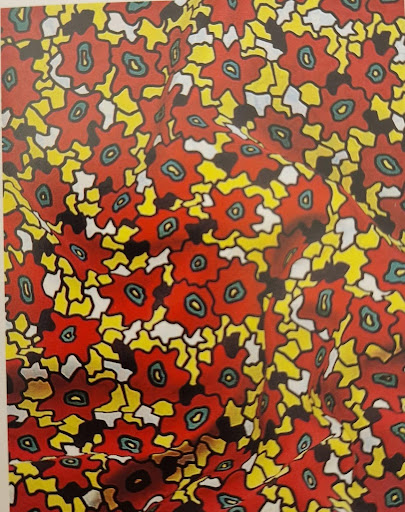
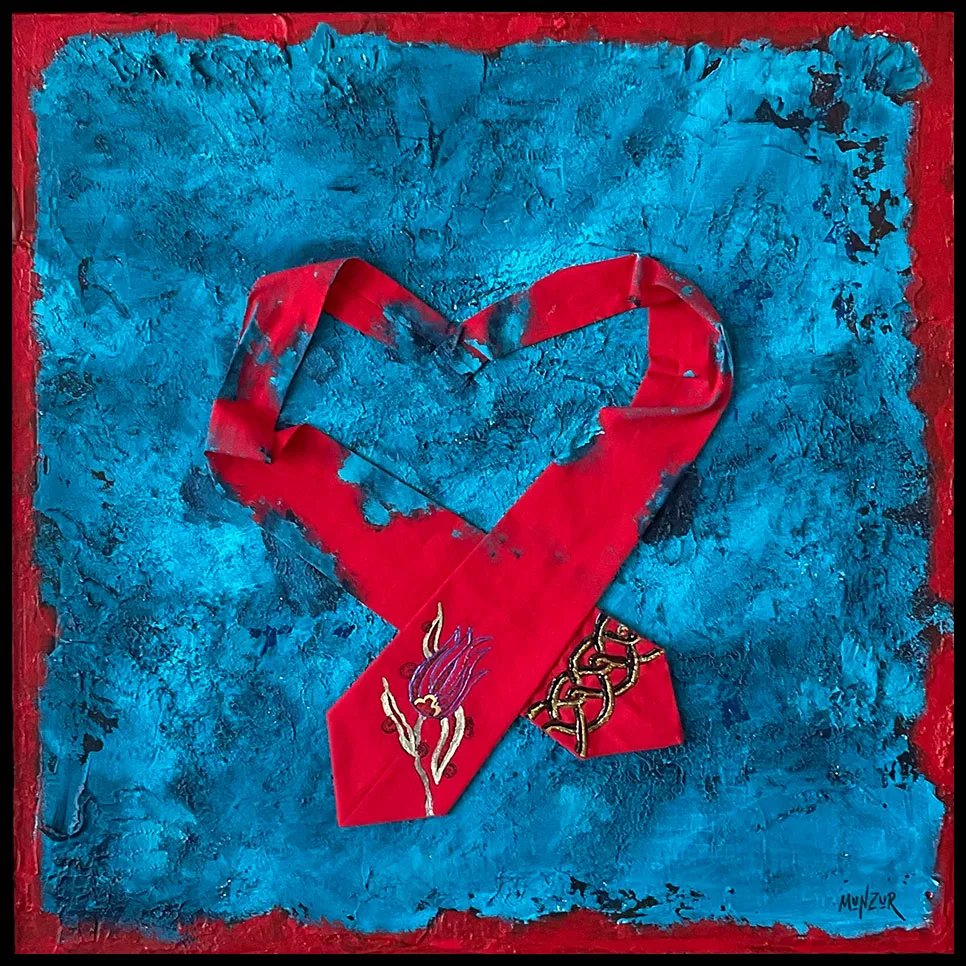
In Zeynep Munzur’s works, the tie appears as a painterly motif – sometimes clearly recognisable, sometimes absorbed into a broader composition. This is not a historical study of the tie, nor a systematic interpretation of its symbolism. Its value lies in a simpler fact: that a familiar object can inspire an artistic cycle and open a space for renewed seeing.
Here, the tie is not explained completely. It is displaced, observed, fragmented and reassembled in colour.
A Cultural Gesture of Friendship
The exhibition also has a diplomatic frame. Its occasion is linked to the friendship between Croatia and Türkiye, with the symbolic image of an artistic knot tying the two countries together.
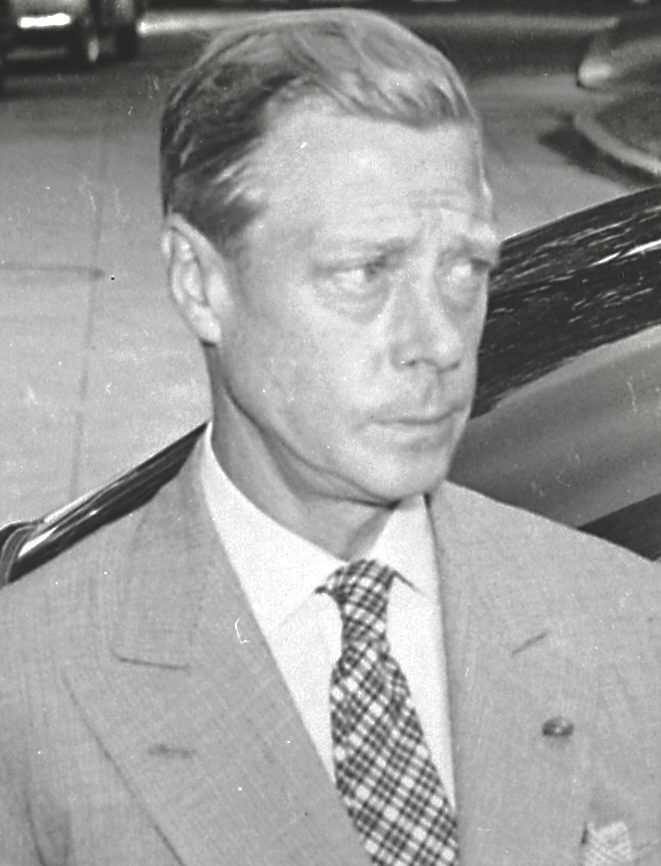
In this context, it is particularly interesting that the exhibition is connected with the centenary of the Republic of Türkiye. In the Turkish context, the tie does not belong only to the history of dress, but also to the image of modernisation. The exhibition catalogue recalls that the tie had been accepted in Türkiye since the late Ottoman period, and mentions Atatürk among the great historical figures who recognised and wore it. Seen in the light of the emergence of the modern Republic of Türkiye, the tie acquires another nuance: it becomes a sign of a new civic expression, public seriousness and openness to the modern world.
The image is simple, but fitting. The tie is an object that is tied; in this case, its knot also becomes a gentle image of connection between two countries.
At a time when relations between countries are most often expressed in the formal language of protocol, culture often finds a softer and more lasting form of communication. An exhibition does not need to make grand claims in order to leave a trace. It is enough for an object, recognisable in one culture, to become an occasion for an artistic view from another.
The Contact Between Croatia and Türkiye
In the contact between Croatia and Türkiye, the tie appears as a simple yet powerful sign. It does not require extensive explanation: it is recognised as an object of form, attention and public presence. Precisely for that reason, it can move from one culture into another without losing its meaning.
In the exhibition space, it becomes a motif in painting, but also an occasion for the meeting of two cultural memories. Not as a strict historical thesis, but as an open sign that can be accepted, translated into another visual language and placed again within a space of shared interest.
According to available information, the official opening of the exhibition gathered around four hundred visitors. This interest shows that, in this context, the tie did not remain merely the theme of an exhibition, but became a place of gathering, curiosity and respect.
An Outside View of a Familiar Sign
The exhibition also includes motifs connected with Croatia, but the most interesting aspect is not the list of those motifs. It is the act of looking from the outside. Croatia does not appear here as a closed narrative, but as a collection of impressions, signs and associations translated by the artist into her own visual language.
Such moments show how cultural symbols continue to live when others recognise them and use them in their own way. The tie, in this sense, is not only a historical object and not only a detail of fashion. It becomes an open sign – clear enough to be recognised, and simple enough to be interpreted again.
A Sign in Space
It is in such appearances that the tie gains new visibility. Not as an object that must constantly be proven, but as a sign that moves: from clothing into art, from personal style into public space, from national heritage into international encounter.
The exhibition “Kravata” therefore remains an interesting cultural trace. It speaks not only about the tie as a motif in painting, but also about its ability to become an occasion: for an exhibition, for dialogue, for friendship and for a different kind of presence.
Some objects endure precisely because they can change the space in which they appear. The tie is one of them.