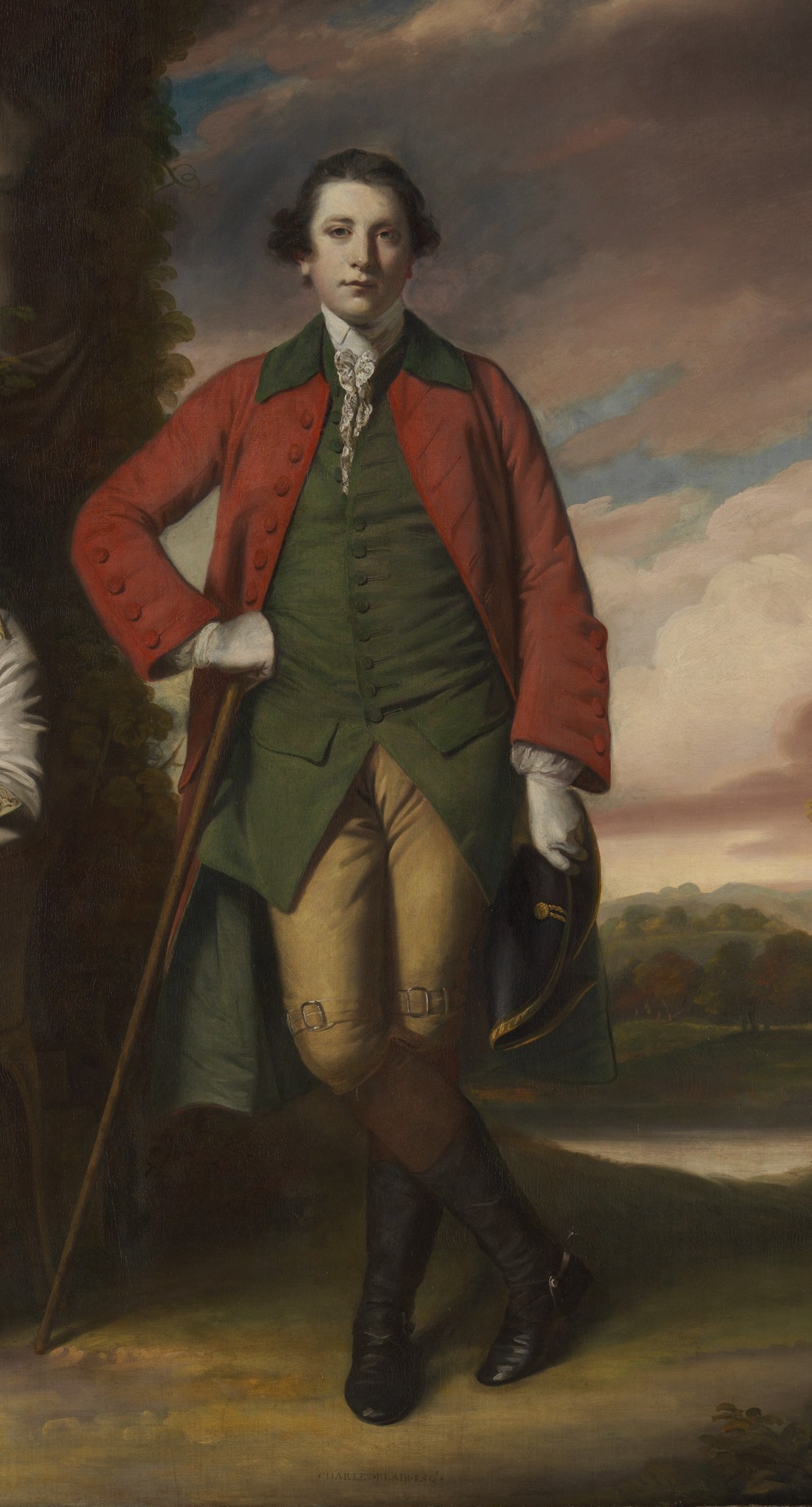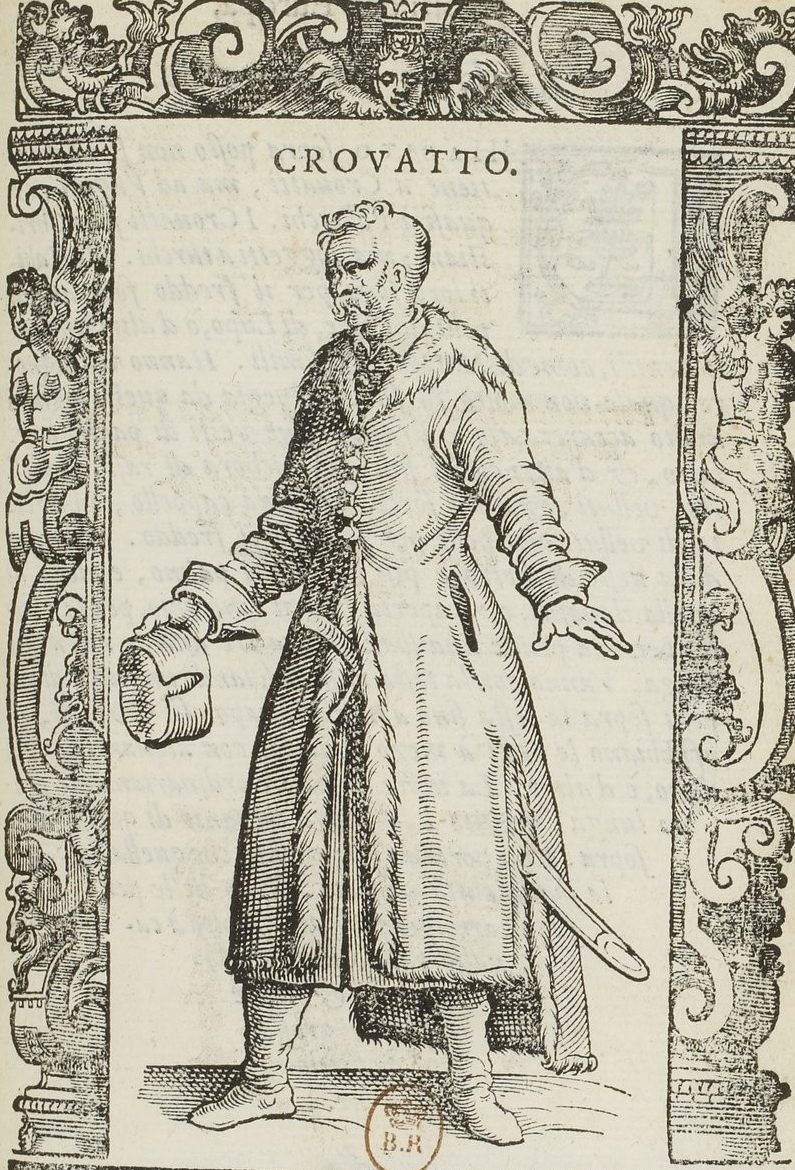
The tie is an object that rarely remains confined to the wardrobe. Once tied, it enters the public sphere: the space of encounters, representation, responsibility and conversation. That is why its appearance in the Bundestag, at the centre of German parliamentary culture, carries a particular symbolic clarity. In March 2026, participants from Croatia in the International Parliamentary Scholarship at the Bundestag : Marta Čagalj, Laura Jurković and Katarina Lučić — presented the tie to an international audience of 83 scholarship holders from 36 countries, as well as officials of the German parliament. The programme brings together young professionals who learn about German democracy, parliamentary tradition and the work of parliamentary offices.
An Object Understood Across Cultures
In their presentation, held in the Europa Hall, they spoke about the tie as an object with historical roots, but also with a long European and global life. This transition is precisely what makes it interesting: the tie has long since grown beyond a single story and become part of the international language of dress, diplomacy and public appearance.
In a parliamentary setting, this becomes especially clear. The tie is not merely a fashion detail there. It is a sign of measure, seriousness and respect for the circumstances in which one appears.
The Response of the Audience
According to the account of the presentation, the topic drew lively interest from the international audience. Some participants from Central and Eastern Europe were already familiar with the Croatian roots of the tie, while participants from France responded with particular interest to the connection between its Croatian origin and the French role in spreading both the name and the fashion of the tie. In encounters of this kind, history ceases to be merely a piece of information. It becomes a conversation. When the Croatian origin of the tie, the French linguistic and fashion dimension, and the contemporary international parliamentary context meet in the same room, the tie once again reveals its ability to connect different cultural layers.
The role of women in the early history of the tie also attracted attention, particularly through the motif of the neckcloth as a gesture of tying, giving and recognition. This is an important layer of the story that is often overlooked.
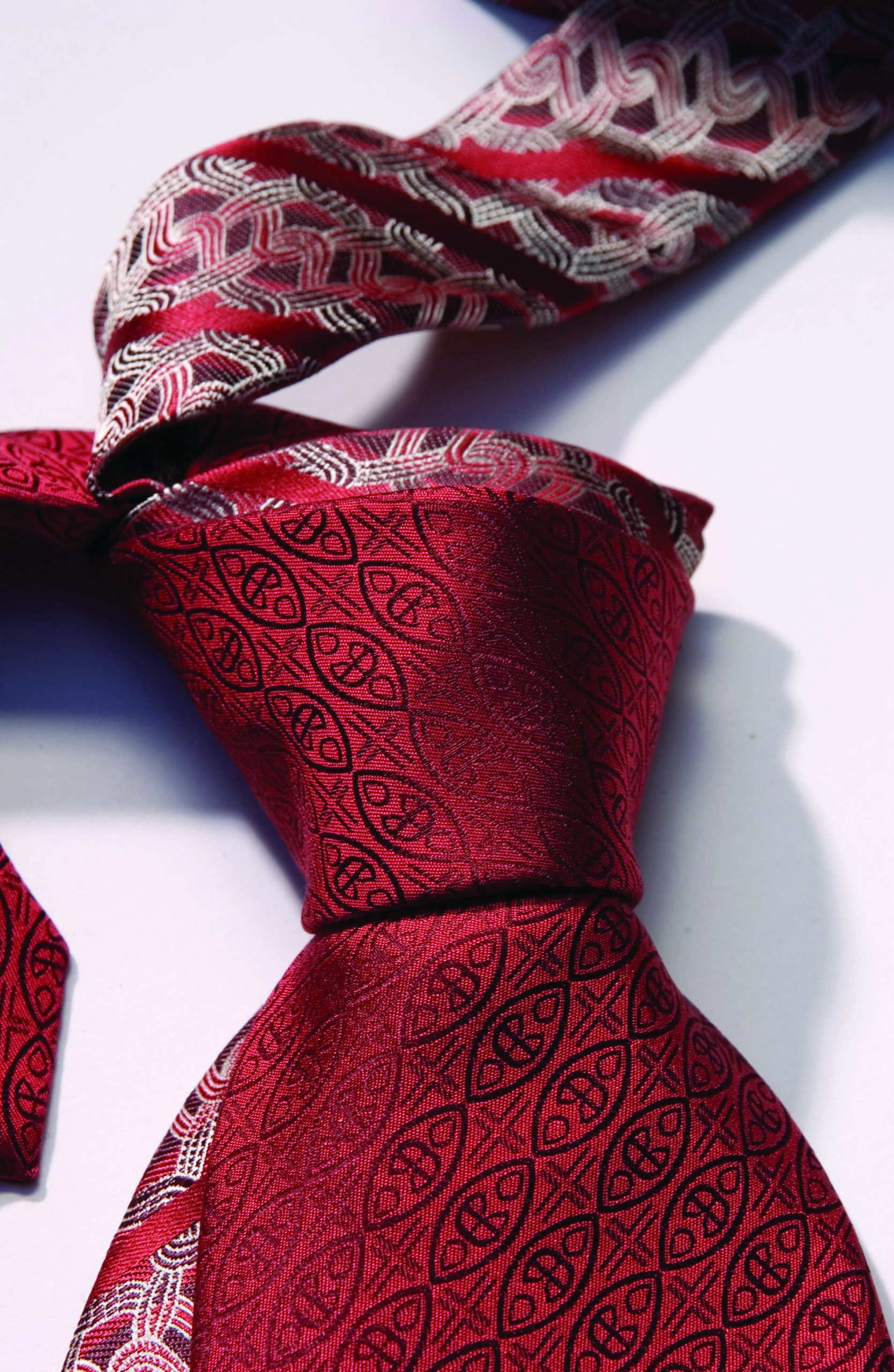
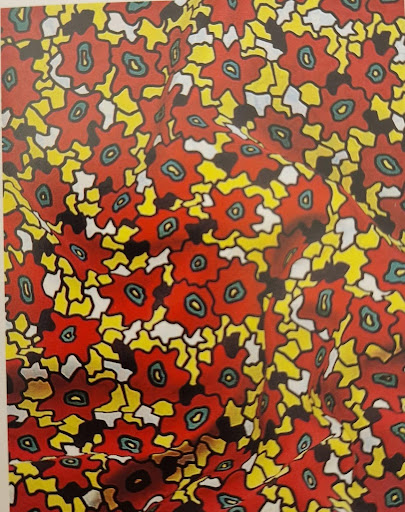
Before the tie became part of men’s dress, there was the neckcloth — a gesture of care, belonging and personal signification. It is therefore no surprise that the red neckcloth included in the presentation drew particular notice. It opens a softer reading of the tie: not only as a sign of authority and public life, but also as an object that preserves a trace of relationship, tenderness and personal gesture.
The Tie in the Space of Democracy
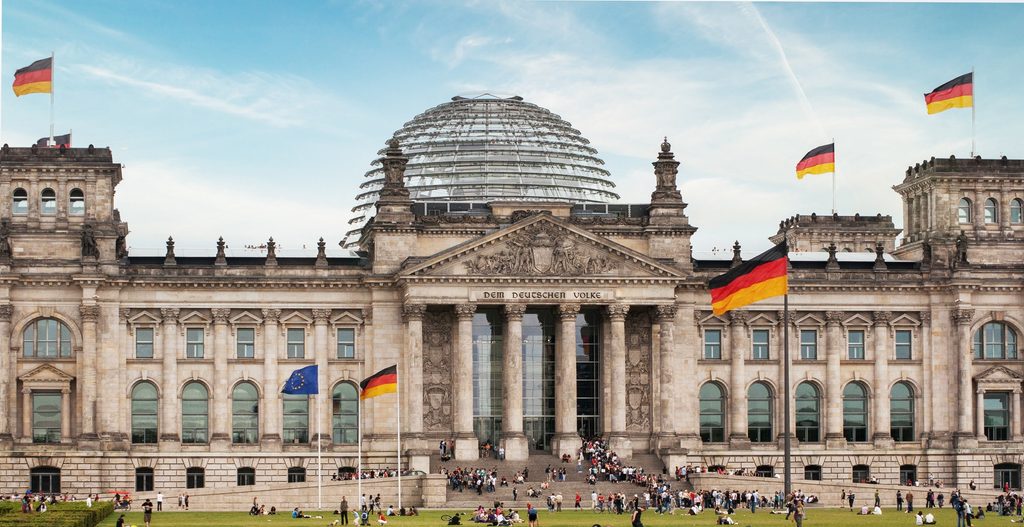
The presentation of the tie in the Bundestag matters not because its origin needs to be confirmed again, but because it shows how a cultural sign can naturally enter a contemporary international space — among young people, different languages, political institutions and conversations about identity.
In such a setting, the tie does not speak loudly. It simply belongs to the scene. As an object of public presence, parliamentary culture and personal expression, it remains understandable even where cultures are only beginning to meet.
And it is precisely such moments that are most interesting: when the tie is no longer only a subject from history, but a sign that appears in space — and continues to live there.
Based on the account by Marta Čagalj, participant in the International Parliamentary Scholarship at the Bundestag. Edited by Academia Cravatica.