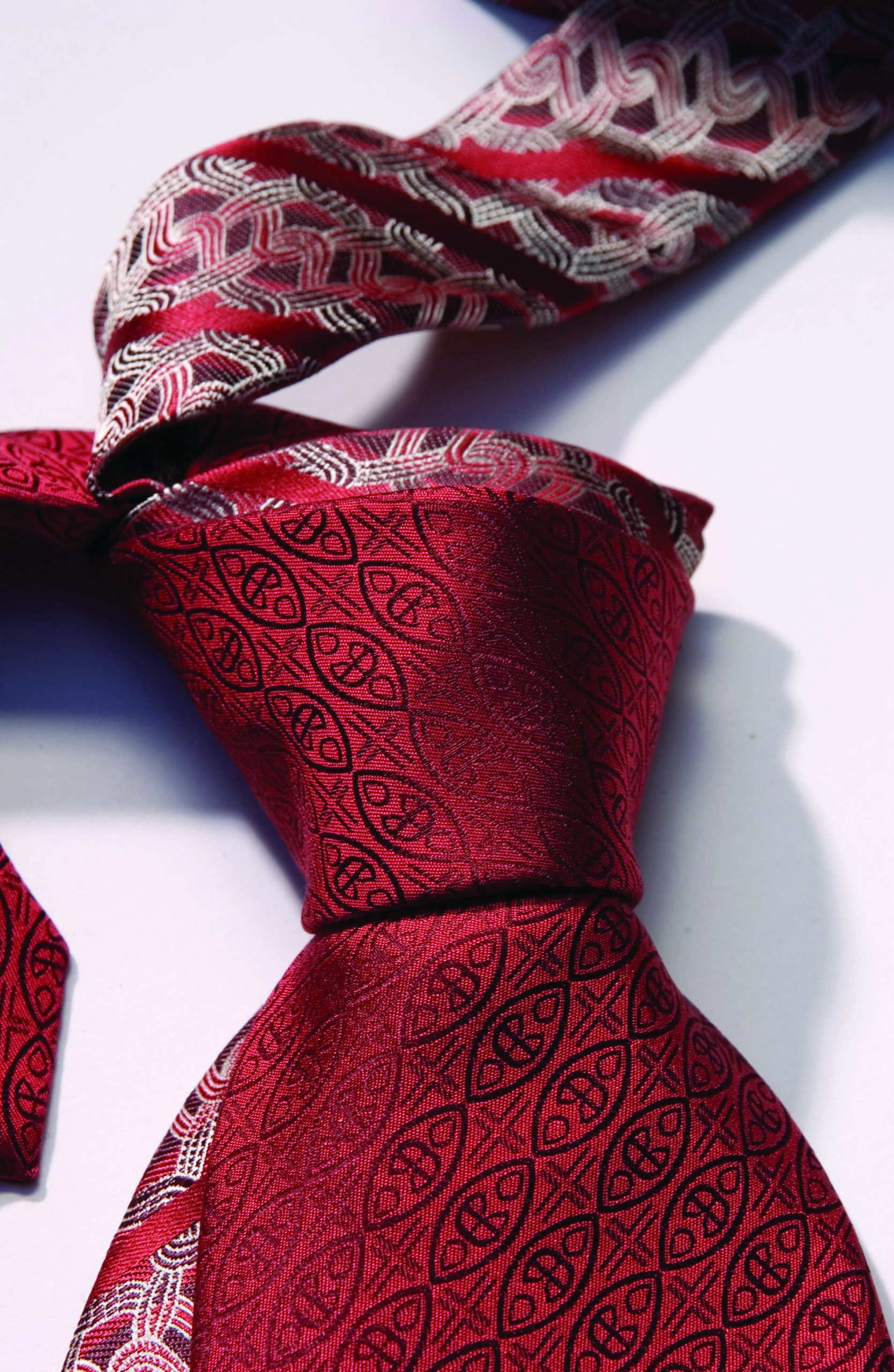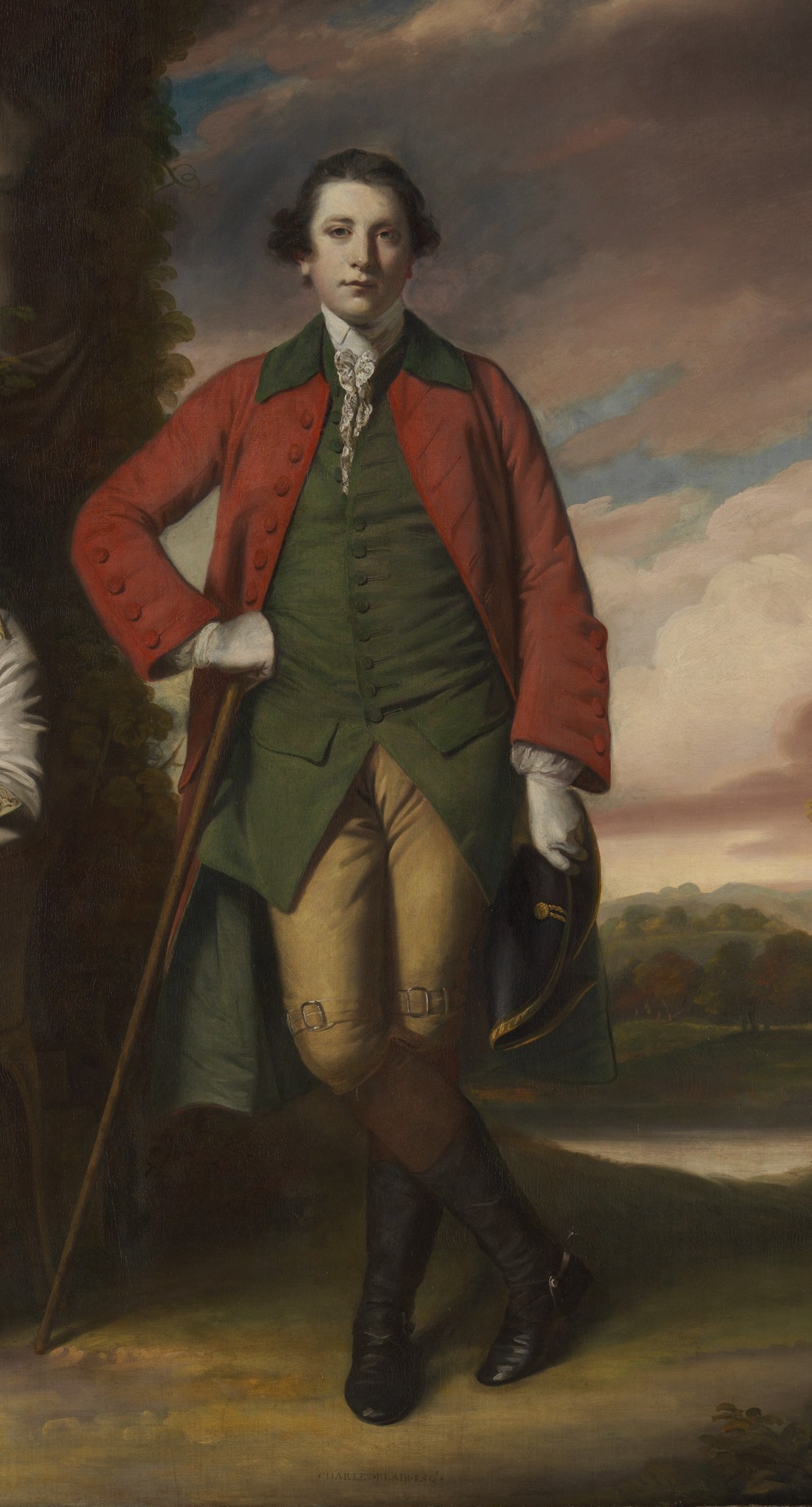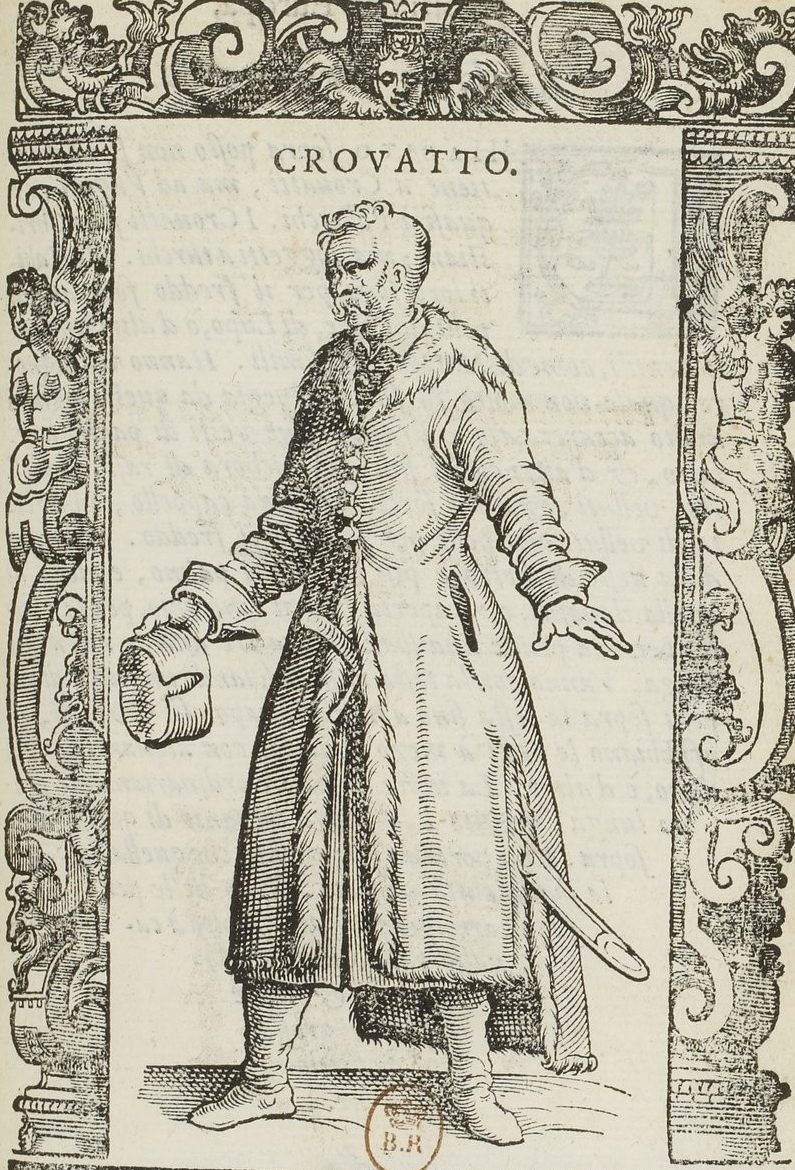
There are words that simply name an object. And there are words that carry an entire story within them. The English word tie brings function to the foreground: something that is tied. The word cravat opens a wider space. Preserved within it is a trace of the Croatian name, the historical journey of the cravat, and the values this object has carried from its beginnings.
That is why cravat is not merely another word for tie.
It is a word laden with history and values.
Reviving a Word That Remembers
On International Cravat Day, 18 October 2008, Academia Cravatica issued an appeal to the English-speaking world to use the word cravat. The document bore the direct title: The Cravat Instead of a Tie and Necktie.
The purpose of the initiative was not to set two words against one another. It was to revive a name that preserves not only the object, but its biography.
Cravat has not disappeared from the English language. It is still used today, primarily for particular, broader or more softly tied forms of neckwear, and sometimes as a more refined term for a tie. Yet its presence can extend far beyond the designation of one particular form.
Because cravat is not merely a name. It is a word that remembers.
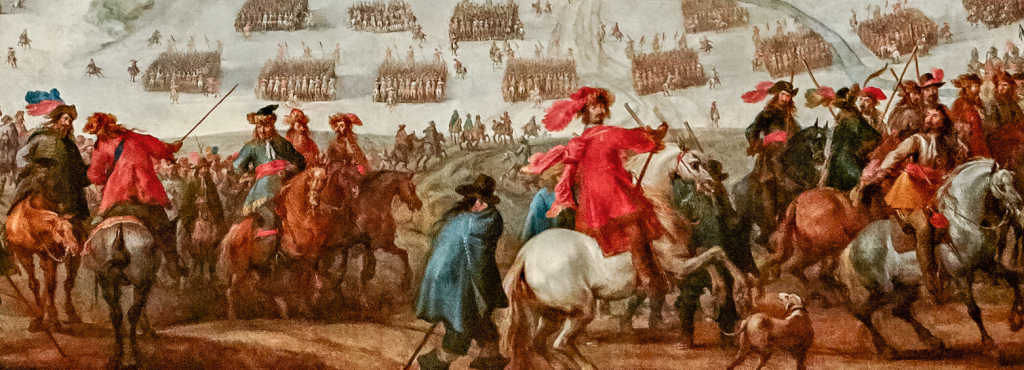
It originated from the French name for Croats, who were recognisable by the scarves worn around their necks by Croatian soldiers. The name passed from the people to the object and then spread across European languages. In French cravate, German Krawatte, Italian cravatta, and numerous related forms, the same root has remained the common word for the cravat.
In English, tie prevailed. But cravat remained a word that opens the door to history.
Before Fashion, There Was a Bond
The cravat was not an empty item of dress to which values were added only later.
They were present in its story from the beginning.
The scarf worn around the neck signified more than a way of dressing. It was also a personal sign, associated with love, devotion and commitment. In the story of betrothal, a woman gives it to a man as a visible sign of an invisible bond: a promise accepted and a relationship carried close to the heart.
At the beginnings of the cravat, therefore, there is not only the man who wears it. There is also the woman who gives, chooses or ties it, giving it personal meaning.
Before it became part of European fashion, the cravat was a sign of the relationship between people.
Within it, love and responsibility, free choice and accepted commitment, personal feeling and its public expression were already intertwined.
The cravat did not originate as a mere sign of formality. It can appear to be one only when the meaning it carries is forgotten.
Values That Continue to Be Discovered
Over the centuries, the cravat changed its shape, material and manner of tying. It entered different social settings, from courts and diplomacy to civic and business life. Meanings of dignity, belonging, responsibility, freedom, beauty and respect for others came to be recognised within it.
These meanings did not come into being only when they were given names.
Their foundations were already present in the original bond between emotion, gift and commitment.
Love already implies a relationship with another person. A promise carries responsibility within it. Betrothal joins free choice with accepted commitment. A gift simultaneously expresses closeness and recognises the uniqueness of the person for whom it is intended. The beauty of the scarf cannot be separated from the message it conveys.
Later periods recognised, developed and expressed these meanings in new ways. That process continues today. Every era can discover a new value in the cravat, because its symbolism is neither closed nor complete.
The cravat can speak of our relationship with the person who gave it to us, with the occasion for which we wear it, with the people before whom we appear, and with the community to which we belong.
It can signify personal choice while also expressing an awareness of others.
It can express belonging without erasing individuality.
It can be a sign of dignity without imposition, and a sign of ceremony without empty formality.
The cravat becomes mere formality only when we stop reading the meanings it carries.
Function and Meaning
When we say tie, the action comes to the foreground.
Something is tied.
When we say cravat, a story opens.
Who wore the object? Who gave it? What did it mean to the person who received it? How did a personal gesture become part of European fashion, and then one of the most recognisable objects in the world of dress?
Tie clearly names what we wear around the neck.
Cravat invites us to understand what that object carries within it.
This is the strength of the word Academia Cravatica sought to revive. Not in order to remove the everyday term from the language, but to allow alongside it a word that more powerfully connects the object with its origin and meaning.
A Word That Connects
The cravat has long since become universal. It is worn by people of different languages, cultures and life experiences. Precisely for this reason, its history is not confined to the country from which it began its journey.
The Croatian trace within the word cravat is the beginning of the story, not its boundary.
From a single scarf, a global symbol developed. From a personal sign emerged an object in which love, dignity, responsibility, freedom, belonging and beauty can still be recognised.
These values were not added to the cravat from the outside. Over time, they have been revealed ever more clearly in what it already carried within it.
To revive the word cravat, therefore, is to renew our attention to this breadth of meaning.
To remember that behind the fabric there is a story.
Behind the knot, a bond.
Behind a way of dressing, a decision about how we approach others and the world.
Tie tells us how the object is tied.
Cravat tells us what connects us.
Basis of the article: Academia Cravatica’s appeal “The Cravat Instead of a Tie and Necktie”, 18 October 2008.