How the attempt to imitate the Duke of Windsor’s style gave rise to one of the world’s best-known tie knots.
The Windsor knot bears the name of a man who, by his own account, neither invented nor tied it.
The name, however, was not entirely accidental.
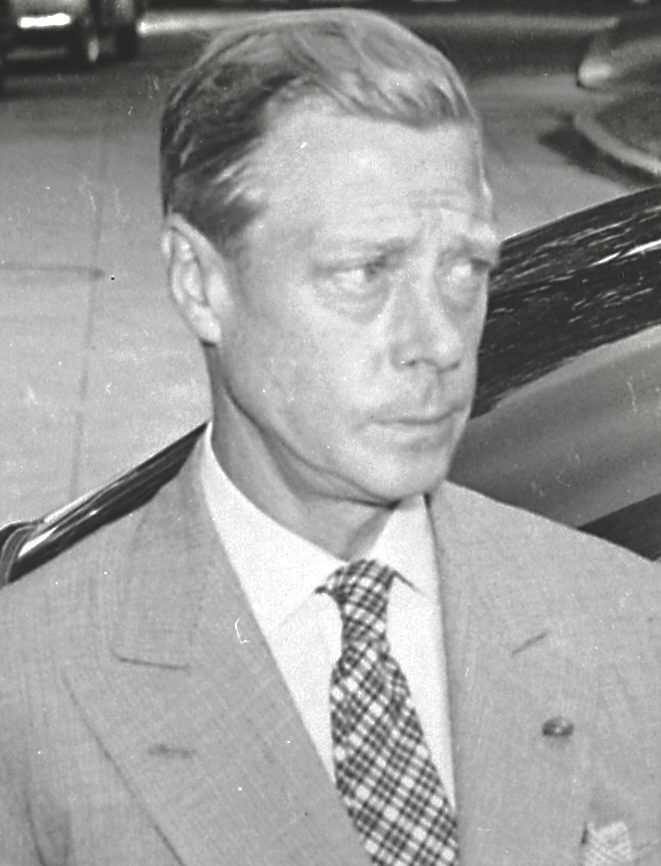
Edward, Prince of Wales, briefly King Edward VIII and, following his abdication, Duke of Windsor, was one of the most closely observed men of his era. His clothes rarely remained a matter of private preference. The way he wore a suit, combined patterns and shaped his neckties became something others wished to imitate.
Among his most recognisable stylistic details was a large, full tie knot.
Observers wanted to achieve the same effect. When they could not reproduce it with the same kind of tie, they found a different way of tying one.
The Windsor knot was born.
The Fullness Was in the Tie
The Duke of Windsor preferred broad ties made with an additional thickness of material inside them. He tied them using the simple four-in-hand method, but the width of the fabric and the substantial interlining gave the knot its distinctive fullness.
His knot was not large because the tying method was complex. It was large because the tie had been constructed to produce that effect.
In his book A Family Album, the Duke explained that during the 1920s he had worked with a tie maker to devise a broad tie reinforced with additional material, creating the fuller knot he preferred. At the same time, he explicitly denied responsibility for the knot that Americans later named after him.
This distinction lies at the heart of the Windsor story.
The Duke achieved the desired appearance through the construction of the tie. His followers attempted to achieve it through the method of tying.
An Imitation That Became a New Knot
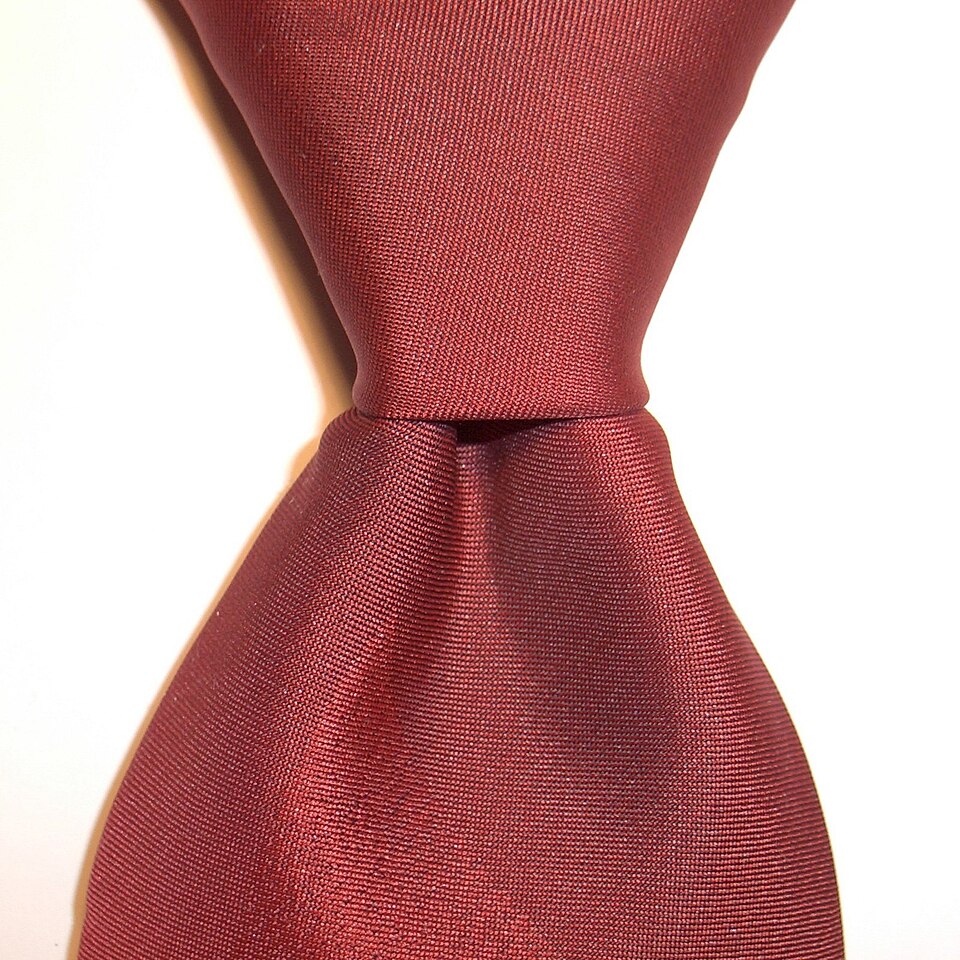
Most men did not own specially made ties with interlinings designed to produce a particular volume. To create a similarly full knot with a thinner and narrower tie, the wide end had to be passed around the centre more than once.
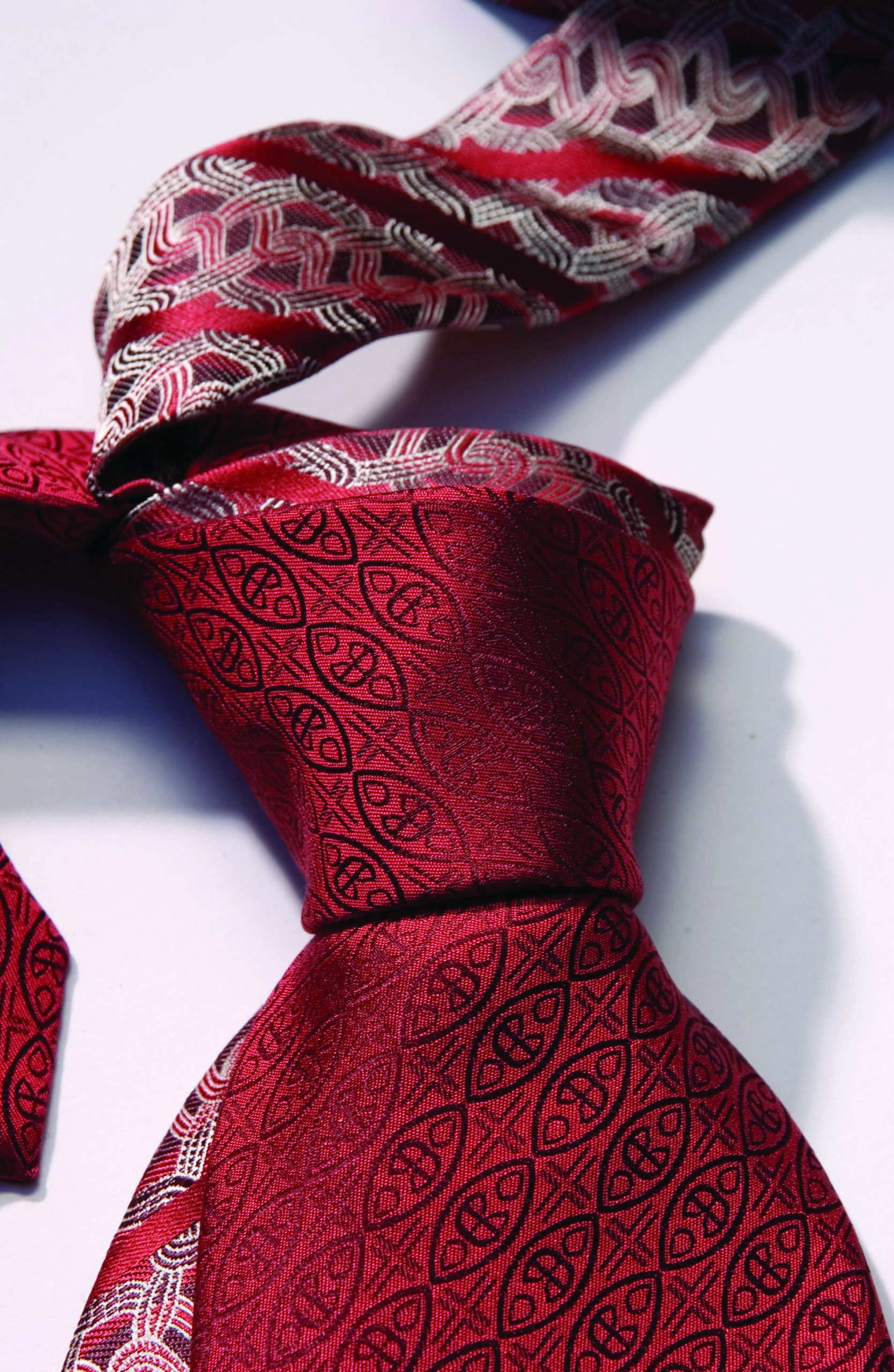
The result was a broad, balanced and strongly triangular knot. Its appearance recalled the fullness associated with the Duke’s style, and the name Windsor gradually became established.
The Duke himself described it as a double knot tied in a narrow tie. He recalled that it had been adopted by American servicemen during the war and later by college students, while insisting that he had played no direct part in its creation.
The knot was therefore named after the appearance it attempted to reproduce, not after the technique used by the man whose name it carried.
This is not unusual in fashion. Names do not always develop with the precision of technical definitions. They often arise from associations, press descriptions and the desire to connect a look with the person who made it desirable.
A Name Stronger Than an Explanation
The Duke’s denial did not change the name.
By the time he explained how he actually tied his neckties, Windsor was already part of the international vocabulary of menswear. The name was simple, recognisable and connected with a style figure familiar to the public.
Even the fact that the Duke had never tied the knot could not separate his name from its form.
There is a particular historical irony in this. A man known for an intensely personal approach to dress became the namesake of a standardised technique he did not use.
Yet the Windsor knot is not entirely misnamed.
The Duke did not give it its technique, but he gave it a reason to exist.
A Knot That Expresses Intention
The four-in-hand retains a natural asymmetry. The Windsor appears broader, more enclosed and more balanced. It does not look casually formed, but deliberately constructed.
It consequently developed a character of its own.
It can suggest formality, confidence and order, but also a heightened degree of self-awareness. Its presence is not discreet. It occupies the space between the collar points and becomes a clear centre of the ensemble.
Ian Fleming turned this quality into a literary sign. James Bond regarded men who wore Windsor knots with suspicion, reading their precision as a sign of excessive vanity.
A method of tying had become an indication of character.
The Windsor no longer spoke only about the tie. It also spoke about the man who chose it.
A Question of Proportion
The Windsor is sometimes described as an especially formal or authoritative knot. Its success, however, depends less on the title carried in its name than on the relationship between proportions.
A wide knot requires sufficient space between the collar points. With a spread collar it can appear balanced and composed. With a narrow collar it may look compressed and excessively large.
The construction of the tie is equally important. A substantial silk and generous interlining already create considerable volume, and a full Windsor may make them appear too heavy. A thinner tie more readily accepts the additional wrapping required by the knot.
During the 1930s, neckties tended towards shorter and broader proportions, and the Windsor added further fullness. Its appearance therefore did not develop separately from the rest of menswear, but in relation to the collars, lapels and tie widths of its period.
The Duke of Windsor understood this relationship. He did not choose a knot separately from the tie, shirt and suit. He considered the whole.
The imitation of only one element of that whole created the knot that came to bear his name.
Influence Without Authorship
The history of the Windsor shows that influence and authorship are not the same.
The Duke did not need to invent the knot to be essential to its creation. It was enough for him to shape an appearance that others wished to achieve.
His full knot became a recognisable stylistic signature. The public remembered it, makers and wearers attempted to reproduce it, and a new tying method received the name of the man who inspired its form.
The Windsor is therefore not the Duke’s invention in a technical sense.
It is a product of his influence.
The Knot That Outlived Its Model
The Duke of Windsor left many traces in the history of menswear, but few became as ordinary and widely known as the knot he did not use.
The Windsor survived changes in tie widths, collars and suits. It continued to be passed down through manuals, family instruction and innumerable attempts in front of mirrors.
Its name preserved the memory of an appearance, even when the original way of creating that appearance had been forgotten.
This may be one of fashion’s most revealing characteristics: it does not always remember facts as history does. It remembers impressions.
The Windsor is therefore more than a knot named after a man who never tied it.
It is evidence that imitation can create something new — and that influence sometimes lasts longer than the original.