At the end of the eighteenth century, men’s clothing began to relinquish the splendour that had defined it for centuries. Colour, pattern and ornament did not disappear, but they retreated onto a smaller surface. The tie gradually became one of the places where a man could still reveal something of himself.
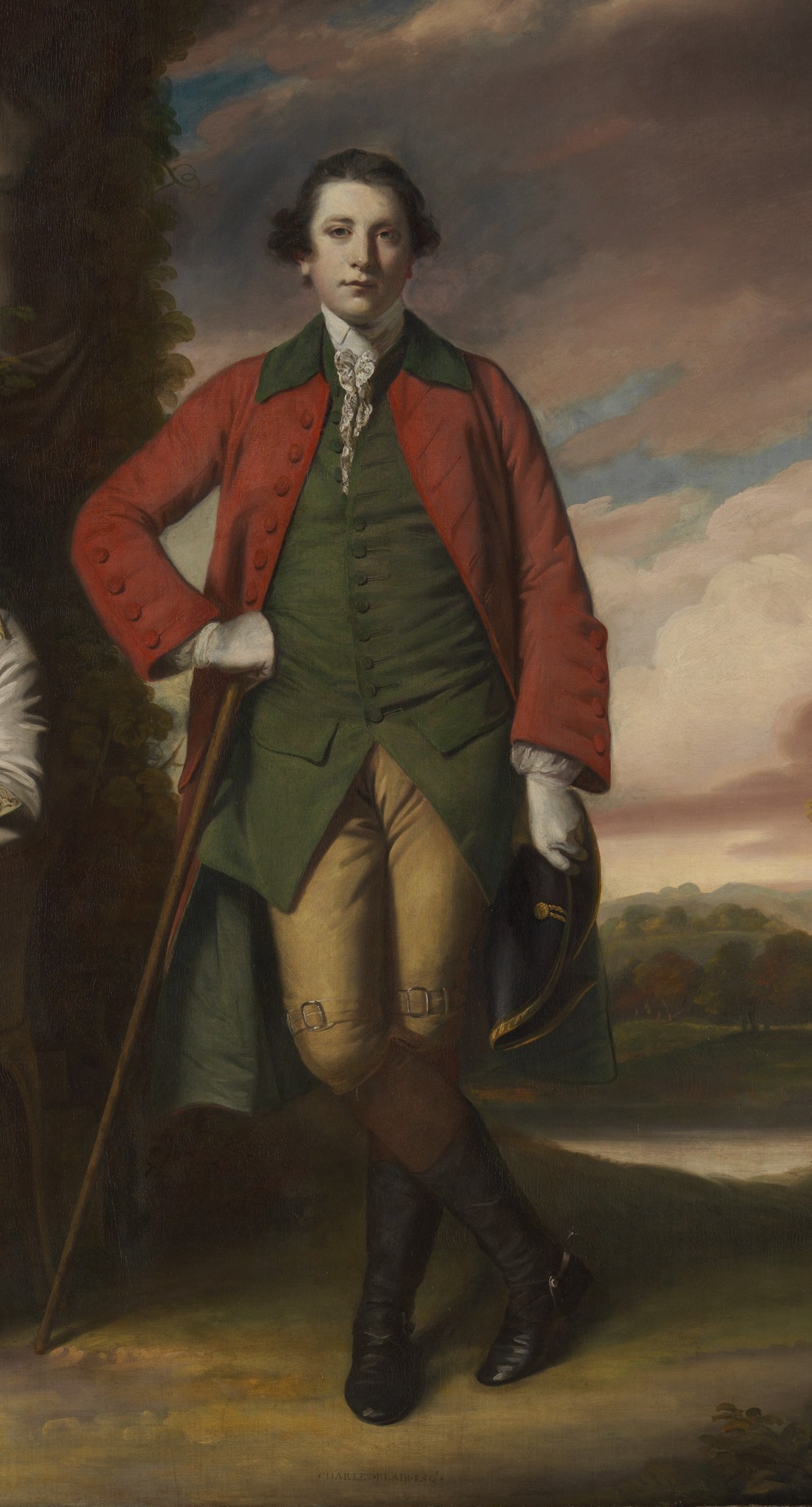
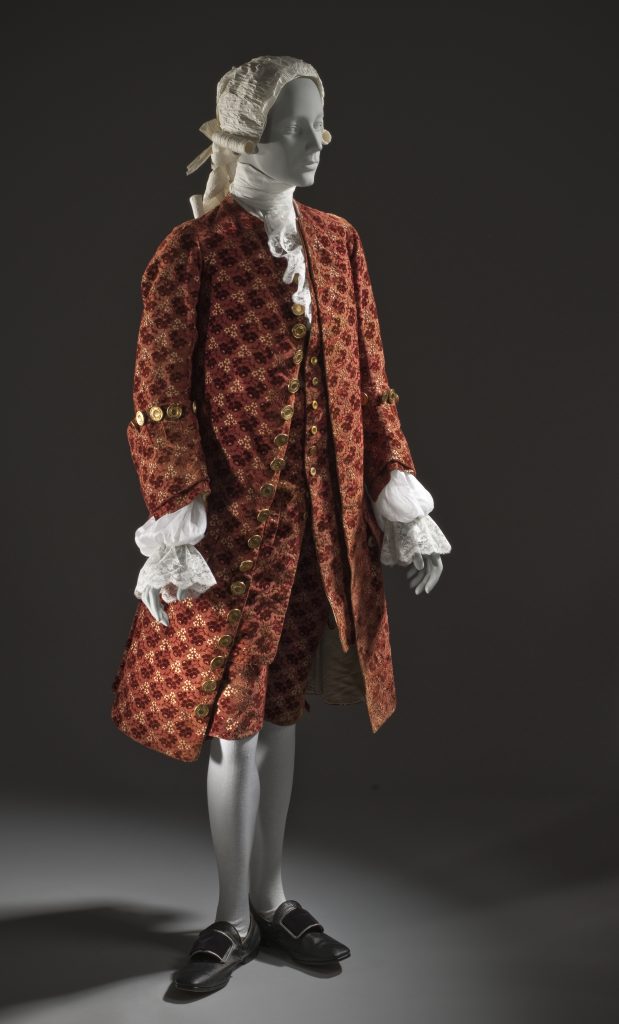
If we look at European portraits of men from the seventeenth or much of the eighteenth century, it is difficult to speak of restrained menswear. Silk, velvet, embroidery, lace, gleaming buttons and vivid colours were not reserved for women. A man of high rank might be dressed in pink, green, blue or gold, and his clothes openly displayed wealth and status.
By the end of the eighteenth and the beginning of the nineteenth century, that world was beginning to change. English style introduced simpler lines and darker woollen fabrics, the French Revolution altered attitudes towards aristocratic splendour, and the rise of bourgeois society increasingly associated male dress with seriousness, work and social function. Cut, fabric quality and precision of execution began to matter more than ornament.
In 1930, the psychologist John Carl Flügel gave this long process a name that remained in the history of fashion: the Great Masculine Renunciation. In Flügel’s famous formulation, men relinquished the claim to be primarily adorned and beautiful and turned towards clothing that was expected to appear useful, correct and serious.
Fashion history today treats the concept with greater caution. The change did not happen overnight, nor did men truly cease to follow fashion. On the contrary, details of cut, collar height, coat length, fabric quality and the way neckcloths were tied continued to communicate status, taste and identity. The language of dress changed: it became quieter.
Less Ornament, More Meaning
Within this new system, the tie acquired a special place.
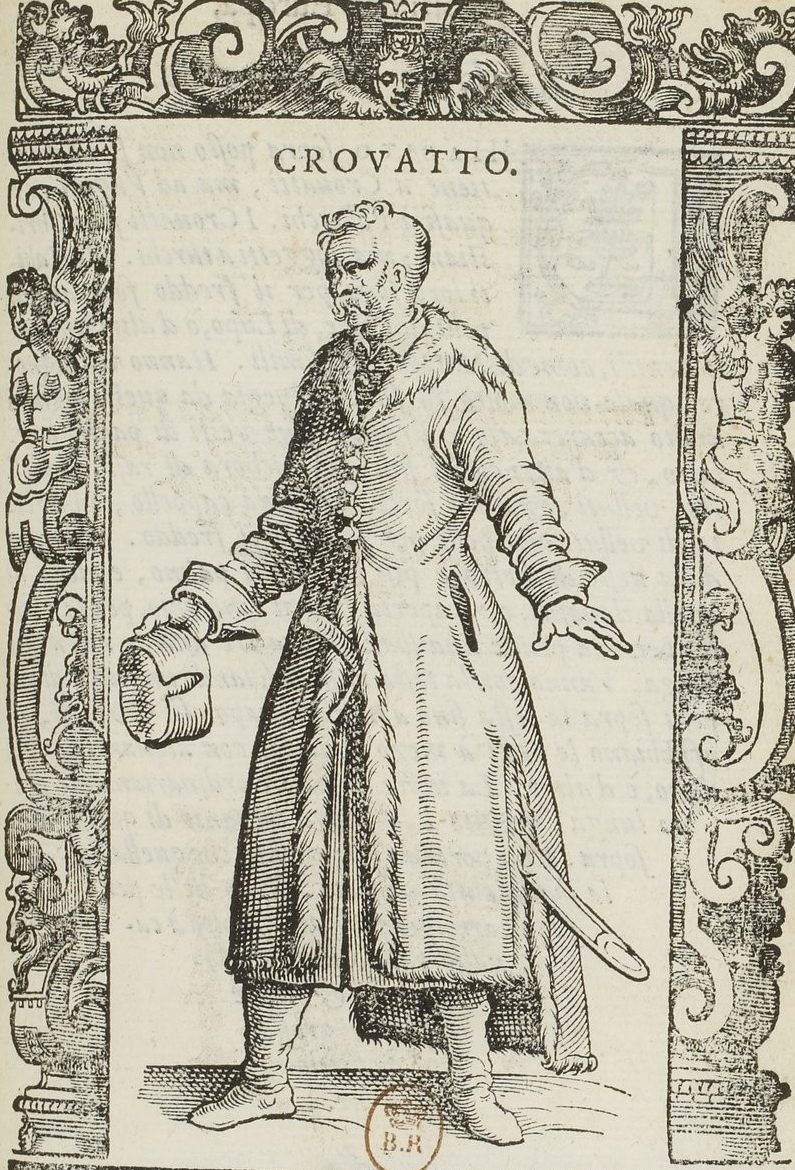
It did not remain unchanged. The large and elaborate cravats of the seventeenth and eighteenth centuries gradually gave way to different neckcloths, stocks, ascots and, eventually, to the long tie we know today. But the neck did not become empty. Quite the opposite: the way fabric around the neck was folded, tied and shaped became one of the principal concerns of the well-dressed man.
At the beginning of the nineteenth century, the cravat was a large square of muslin or silk, carefully wrapped around the neck and tied in different ways. Manuals on knots were published, while for Beau Brummell the immaculate white starched cravat became the centre of an almost radically restrained elegance. His clothes did not attract attention through the quantity of ornament, but through precision.
This was an important change. A tie no longer had to be lavish in order to be expressive.
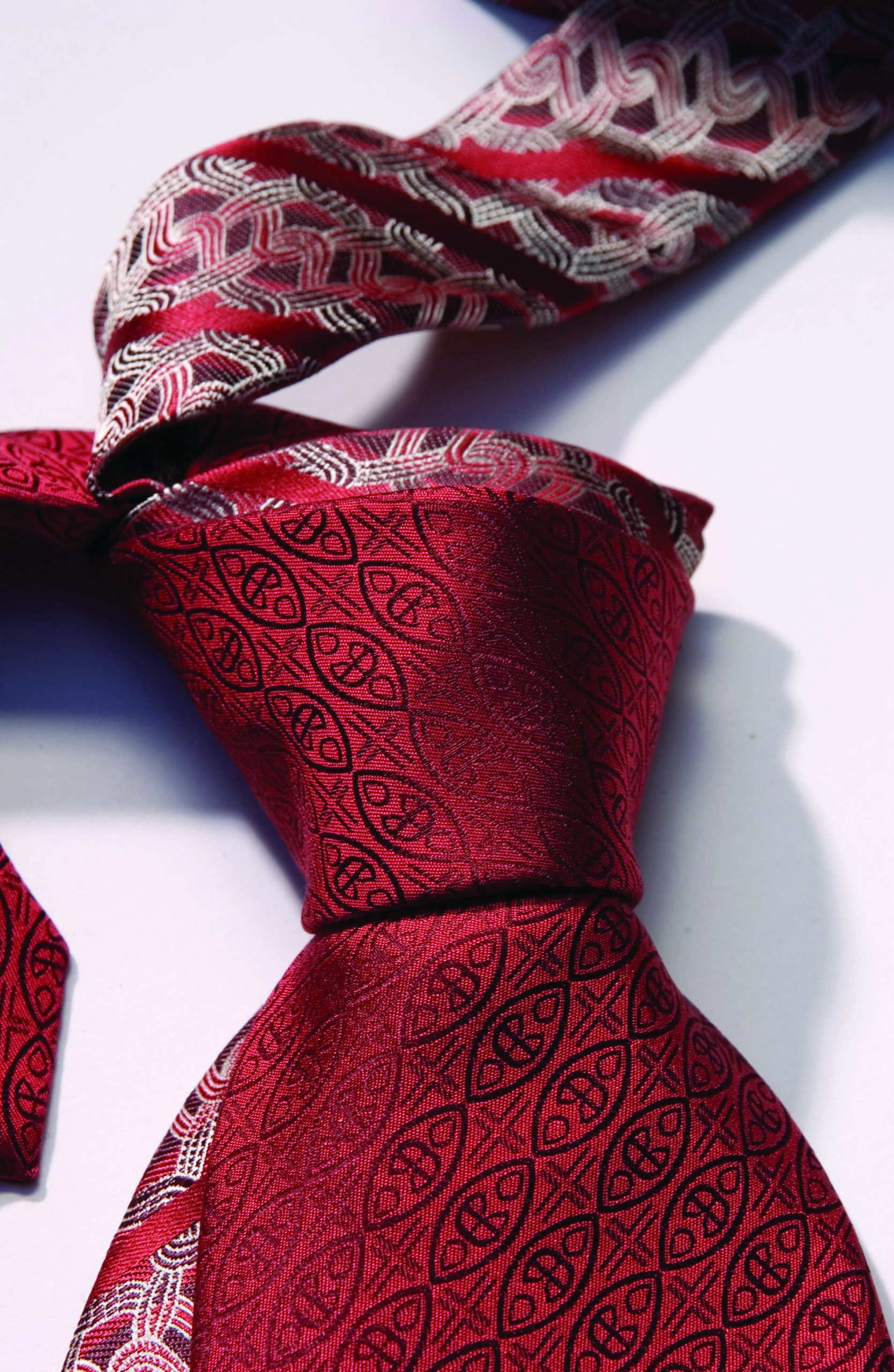
The knot, the way it was tied, the fabric and the proportion could speak as powerfully as gold and embroidery once had.
The Return of Colour on a Small Surface
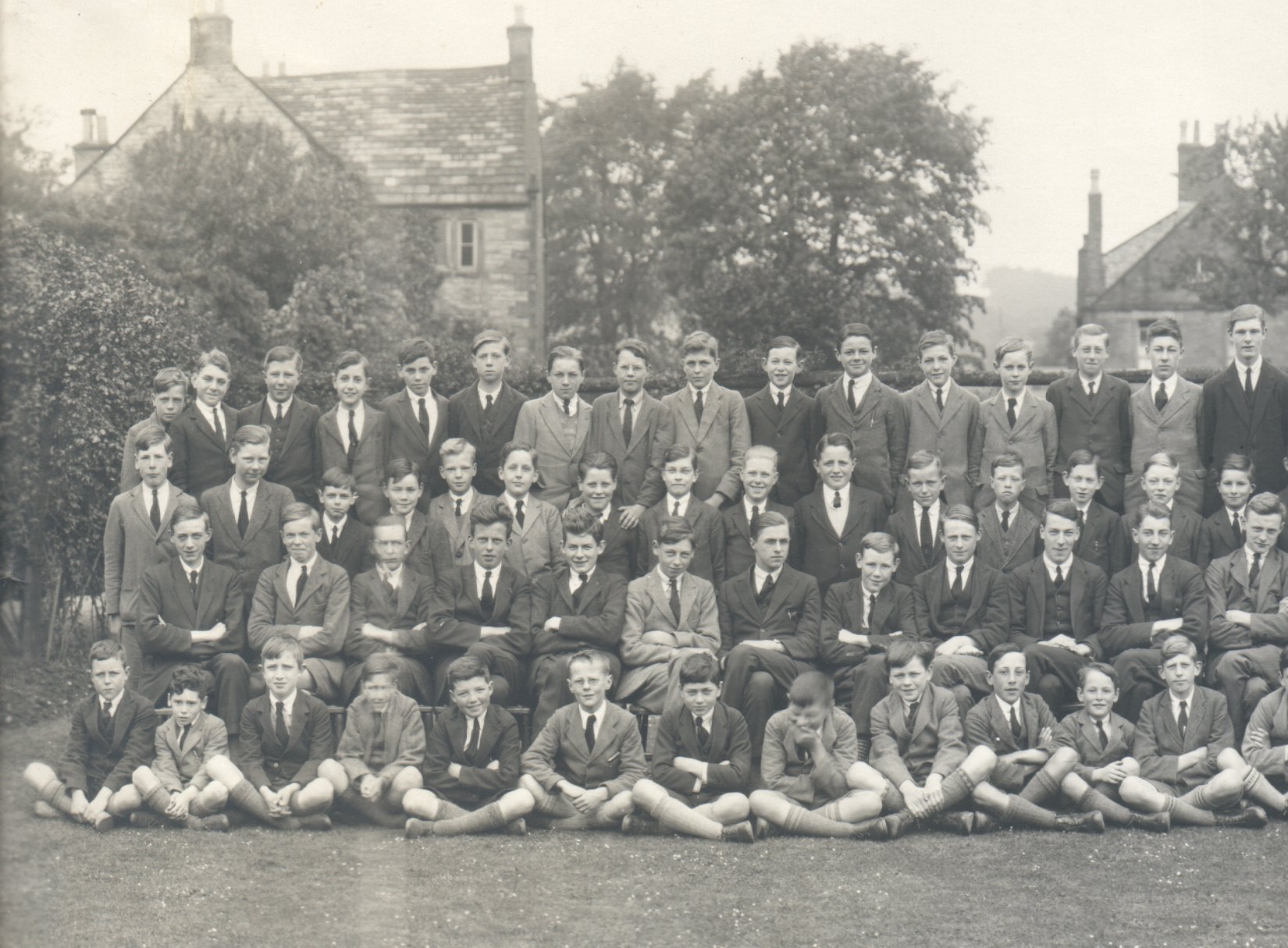
Throughout the nineteenth century, menswear continued to become more restrained. The dark coat, white shirt and later the business suit created an increasingly uniform framework. Colour, however, did not disappear. For a time it remained strongly present in the waistcoat, and later became increasingly concentrated in details.
This is where the tie acquired a new role.
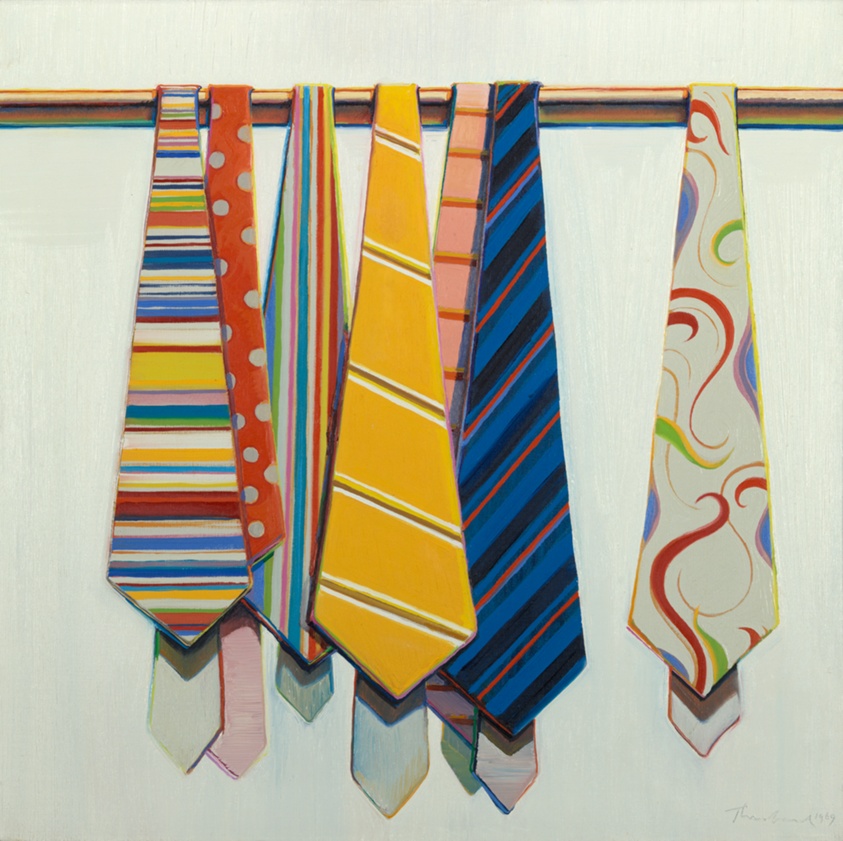
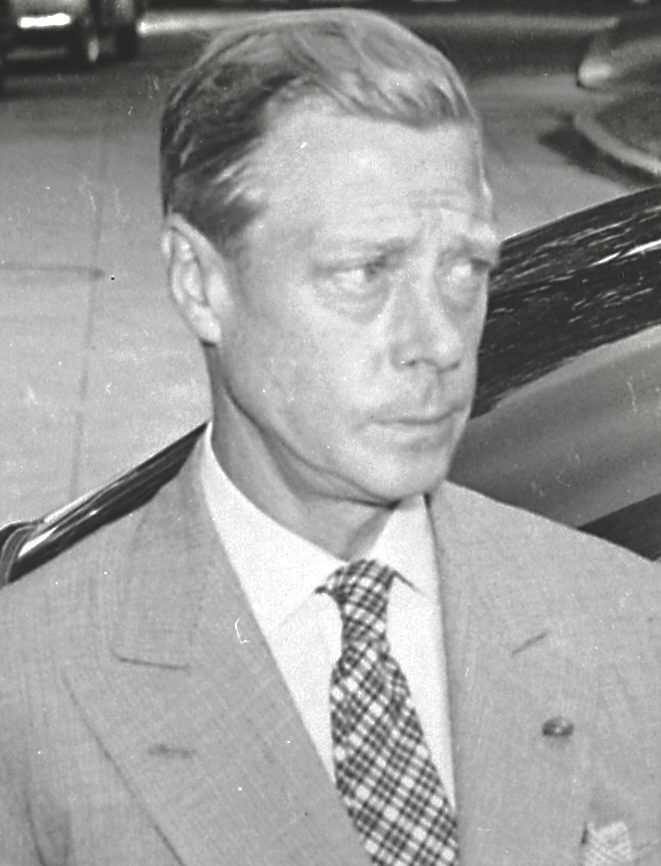
As the modern long tie spread from the end of the nineteenth century through the twentieth, it became one of the few places on the classically dressed man where pattern and colour could remain entirely legitimate. A serious navy or grey suit might remain almost unchanged, while the tie could be burgundy, green, blue, striped, spotted or decorated with a small motif.
Older texts on the tie intuitively recognised this particular quality: against the seriousness and functionality of men’s clothing, the tie remained a space in which colour, choice and a personal sign could appear.
But this does not mean that the tie became an invitation to unlimited decoration. Quite the opposite.
Its strength lies in measure.
A Small Surface of Freedom
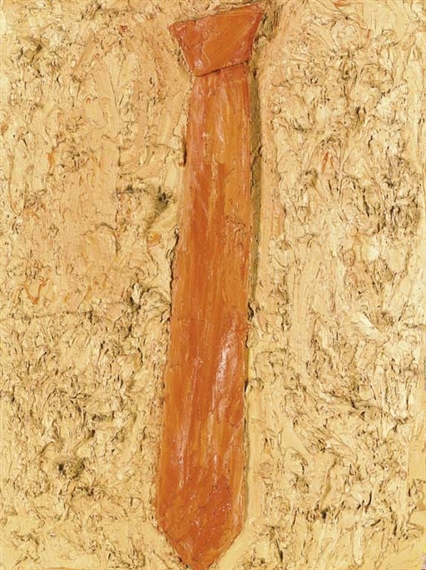
A tie occupies very little space on the body. That is precisely what allows it to do something that might appear excessive across an entire suit. A bright colour becomes an accent. An unusual motif becomes a sign that must first be noticed. A subtle difference in texture becomes visible only at close range.
The relationship between a dark suit and a tie is therefore not merely a question of matching colours. It brings together two principles of male elegance that have taken shape over the past two centuries: restraint in the whole and freedom in the detail.
The tie did not overturn the Great Masculine Renunciation. In a way, it offered a counterweight to it.
When men’s clothing became quieter, the tie could speak.
When cuts became more alike, it could distinguish.
When seriousness became desirable, it left room for beauty.
Perhaps that is precisely why the tie survived for so long within the almost unchanged architecture of the male suit. It did not require much space. A narrow vertical line of silk was enough to preserve the possibility of choice within order.
And to ensure that colour, after retreating from the rest of men’s clothing, did not disappear altogether.