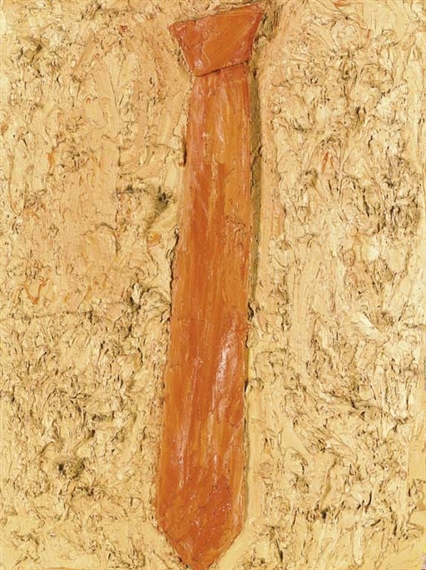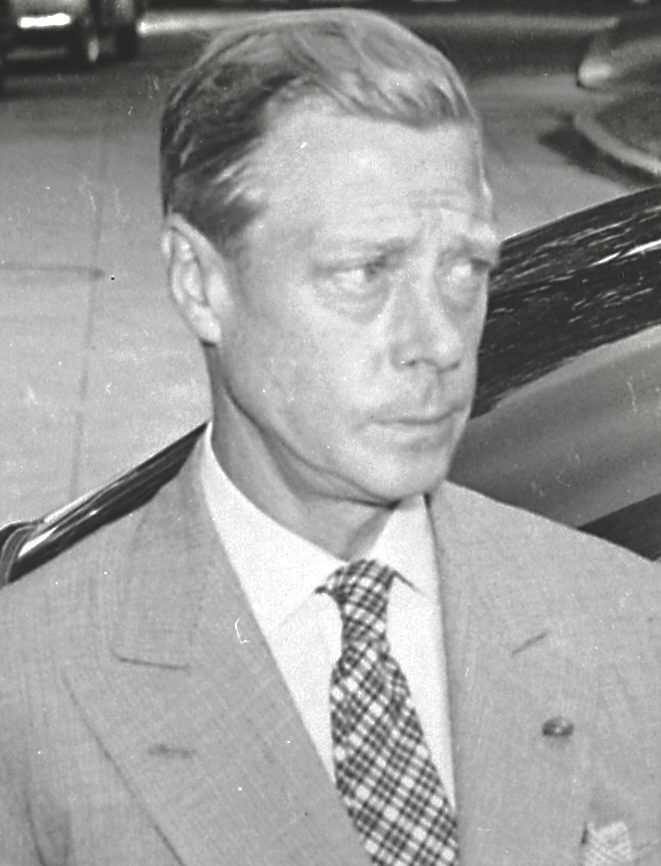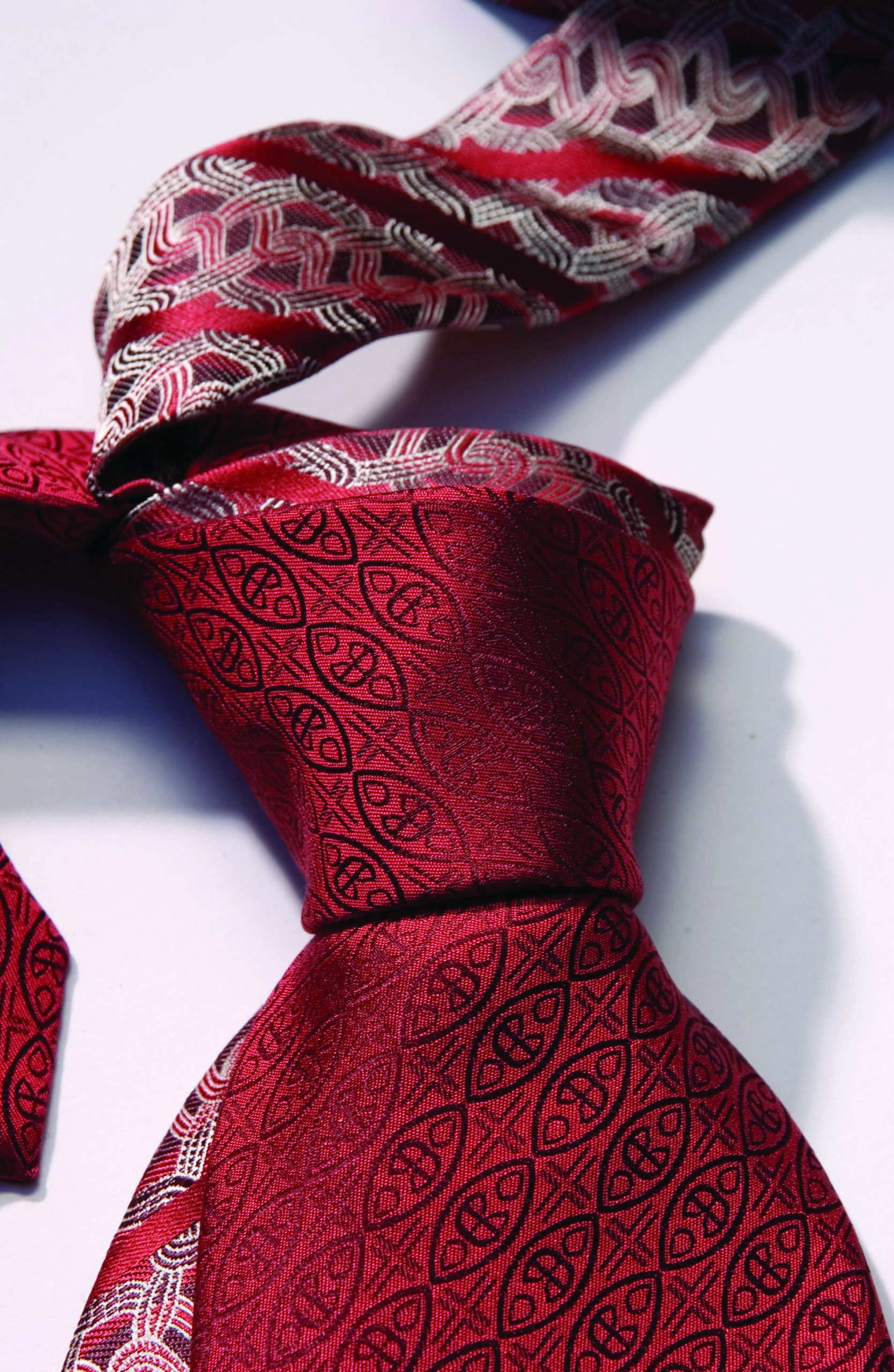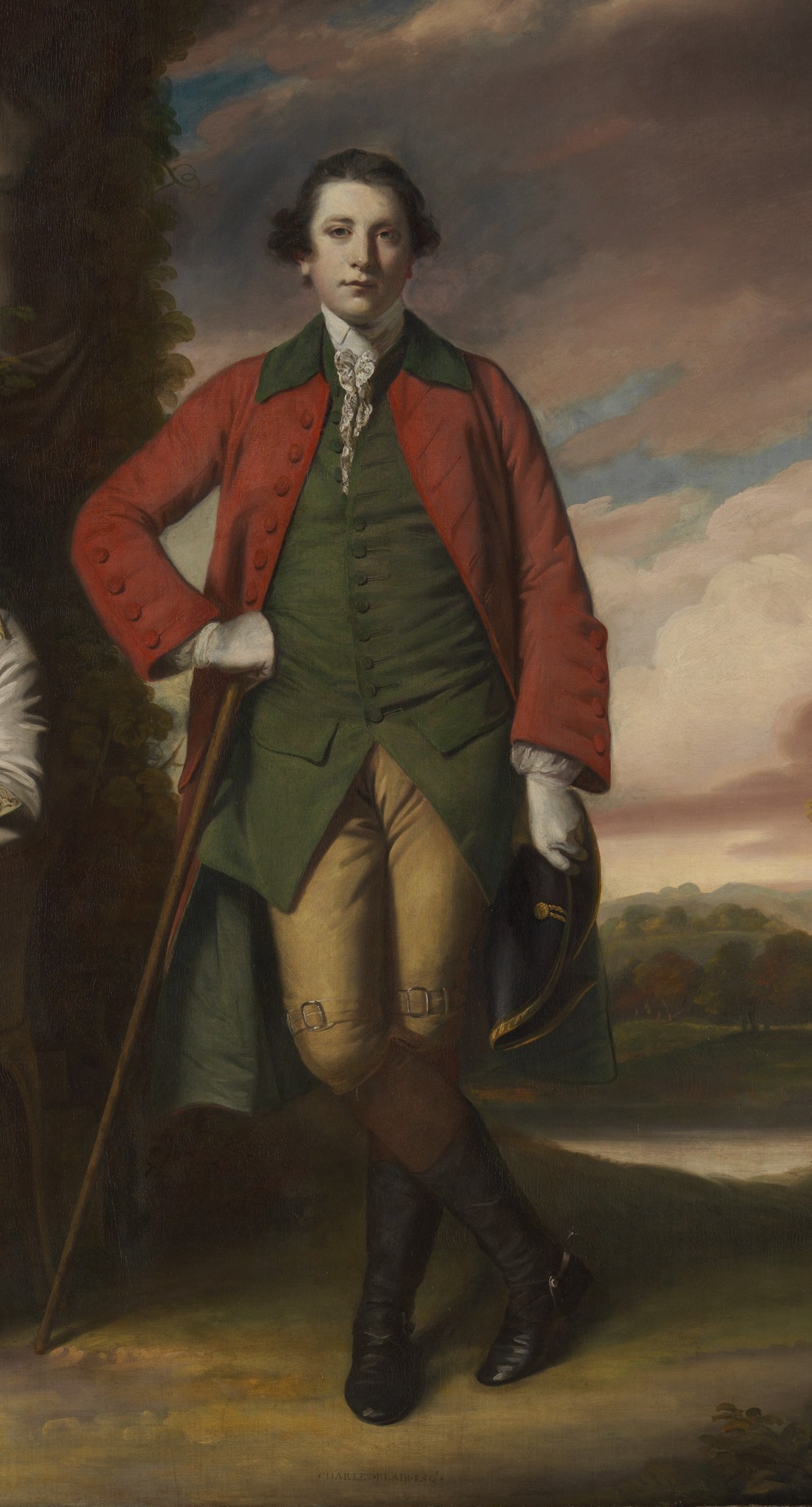
There are lines that are not merely shapes, but messages. The vertical is one of them.
An upright line has always meant more than geometry. It suggests order, composure and clarity.
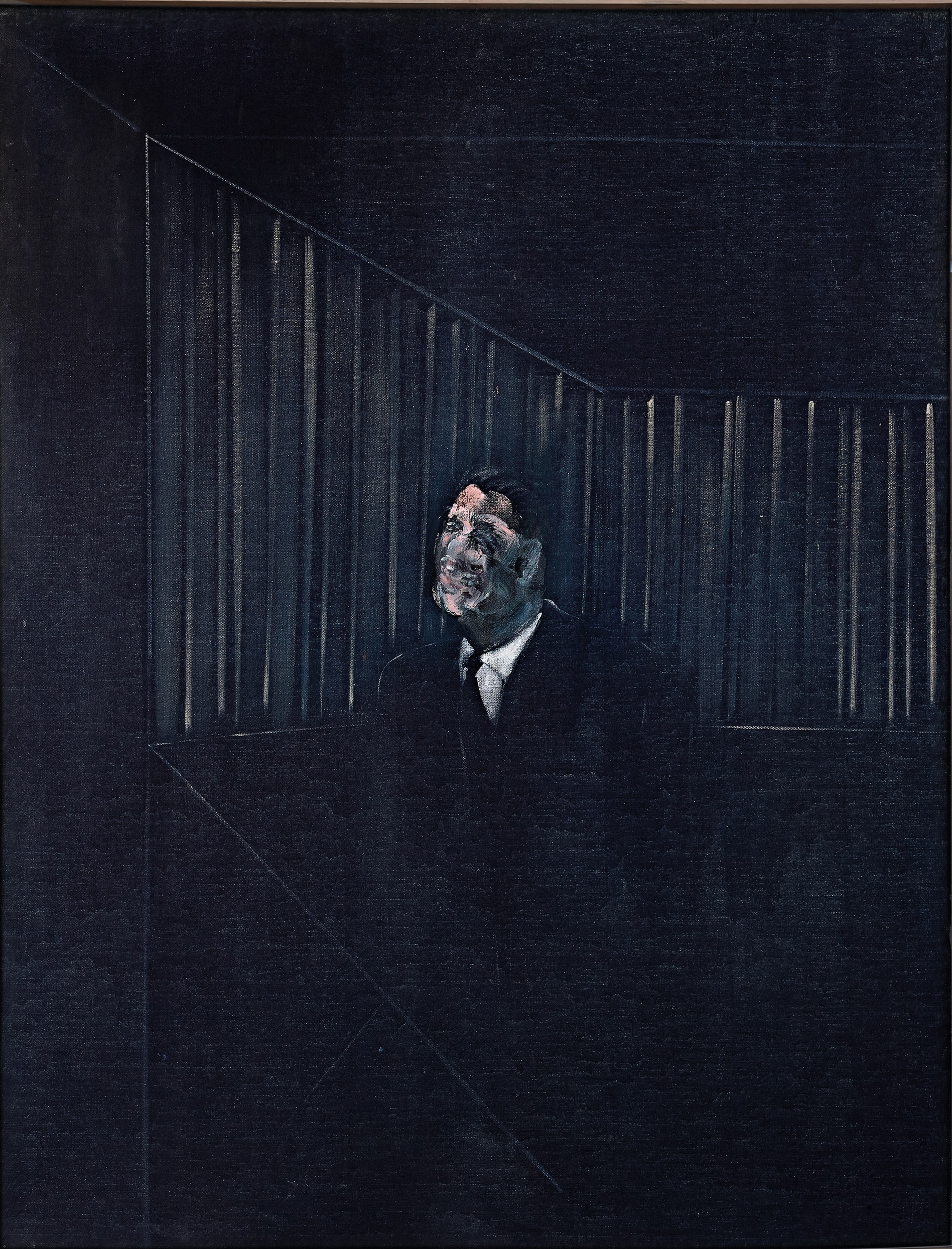
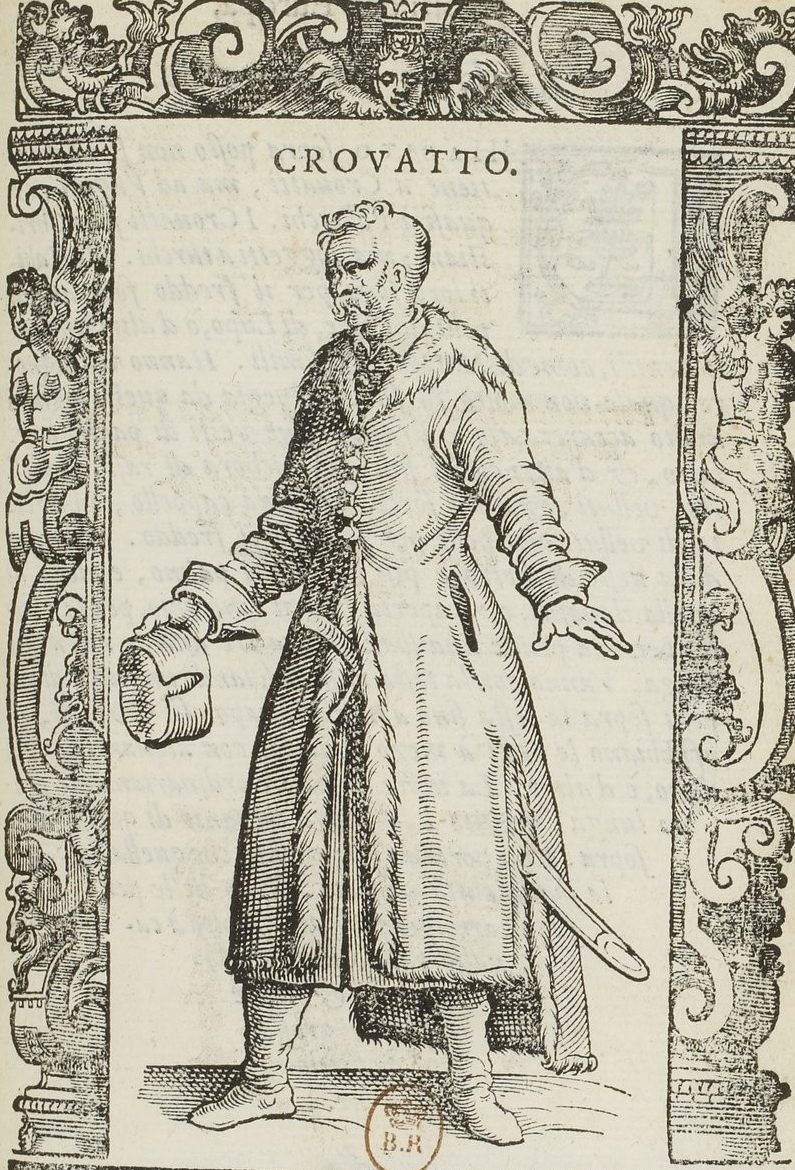
In architecture it lifts the gaze. In painting it organizes space. In the human figure it speaks of posture — and of dignity.
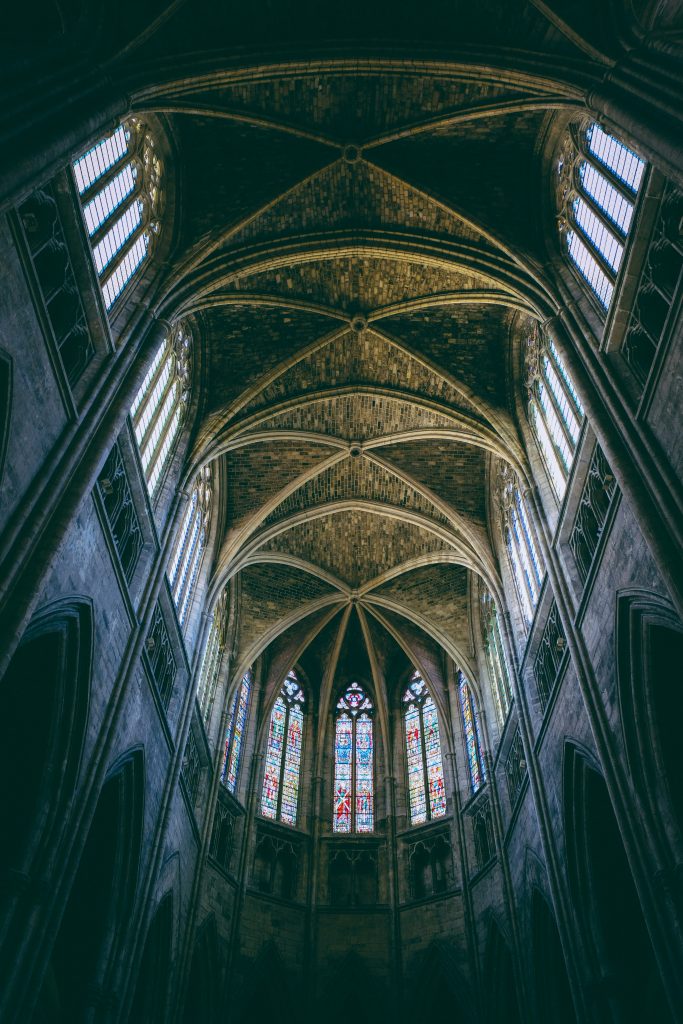
In historic cities, vertical elements guide the eye upward: columns, arcades, towers, façades.
They are not aggressive; they do not impose. They orient. Uprightness is not merely a structural necessity,
but an aesthetic decision. A line that connects earth and sky becomes a sign of balance.
Renaissance artists sought proportion and harmony between horizontal and vertical forces.
The human figure stands between these two — grounded and elevated. In that relationship, harmony emerges.
When the vertical is rightly placed, space feels stable. When it loses measure, we sense unrest.
The same principle applies to personal presence.
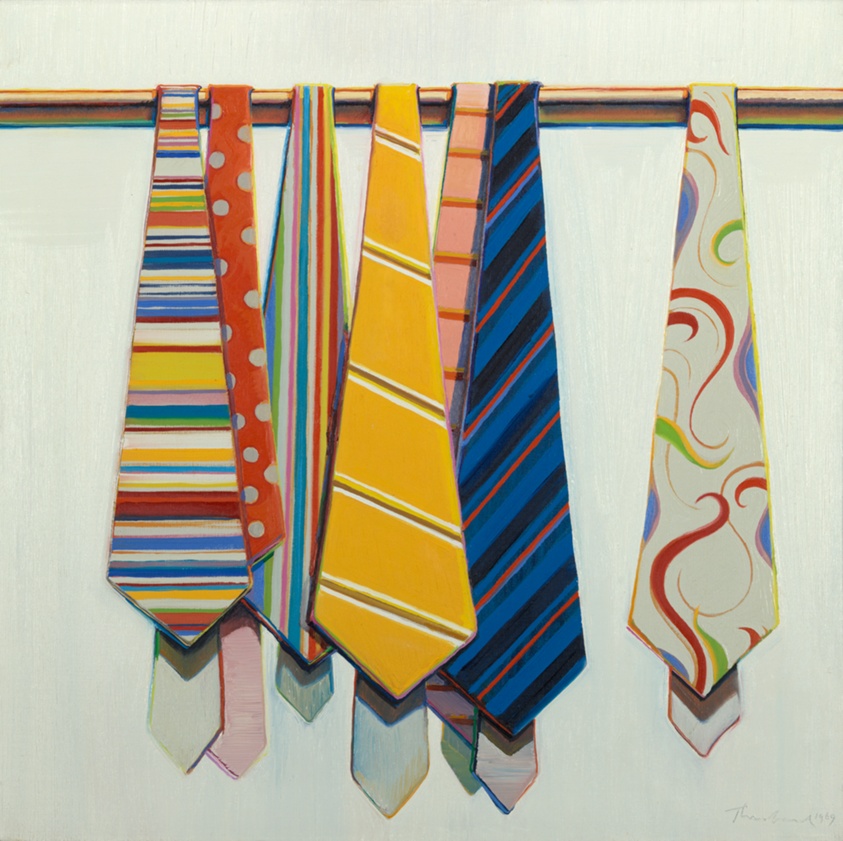
A silhouette that follows the natural line of the body, a measured detail that defines the centre of composition,
a clear relationship of proportions — all of this works almost unconsciously. We may not always know why something appears harmonious,
but we feel when it does.
The vertical does not dramatize. It calms. It structures.
In a time when attention is often sought through intensity, the upright line remains quiet yet strong.
It does not expand beyond its limits, nor seek confirmation. Precisely for this reason, it carries authority — discreet, but enduring.
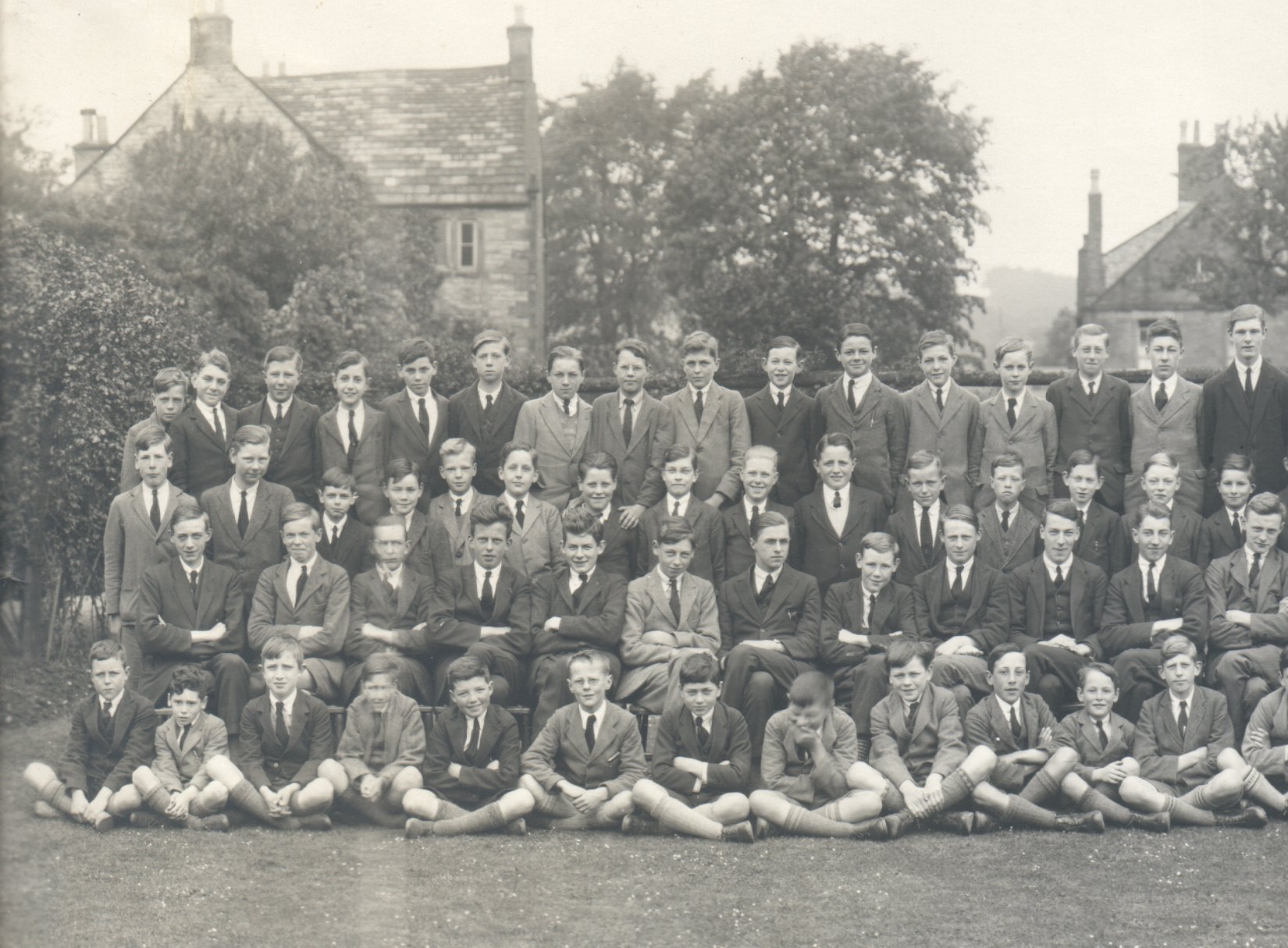
Upright posture also transforms how we perceive ourselves. When we stand straight, we speak more clearly.
When we are composed, our gestures become measured. Aesthetics turns into ethics; form shapes behaviour.
Perhaps this is why, across centuries, the vertical has remained a symbol of seriousness and trust.
Not because of tradition alone, but because it resonates with our intuition of order.
It is the line that holds composition — in space, in image, in silhouette.
The vertical is, ultimately, a decision.
A decision not to be scattered.
A decision to preserve measure.
A decision to build presence on clarity rather than noise.
In architecture, in art, in posture and in detail — the vertical reminds us that elegance begins in balance.
And that dignity is not a pose, but a line we consciously maintain.