There are places where we learn without being instructed. The museum is one of them.
In the quiet of a gallery, the gaze slows down. It stops seeking quick information and begins searching for meaning. We do not stand before a work of art as passers-by, but as participants. We learn how to see.
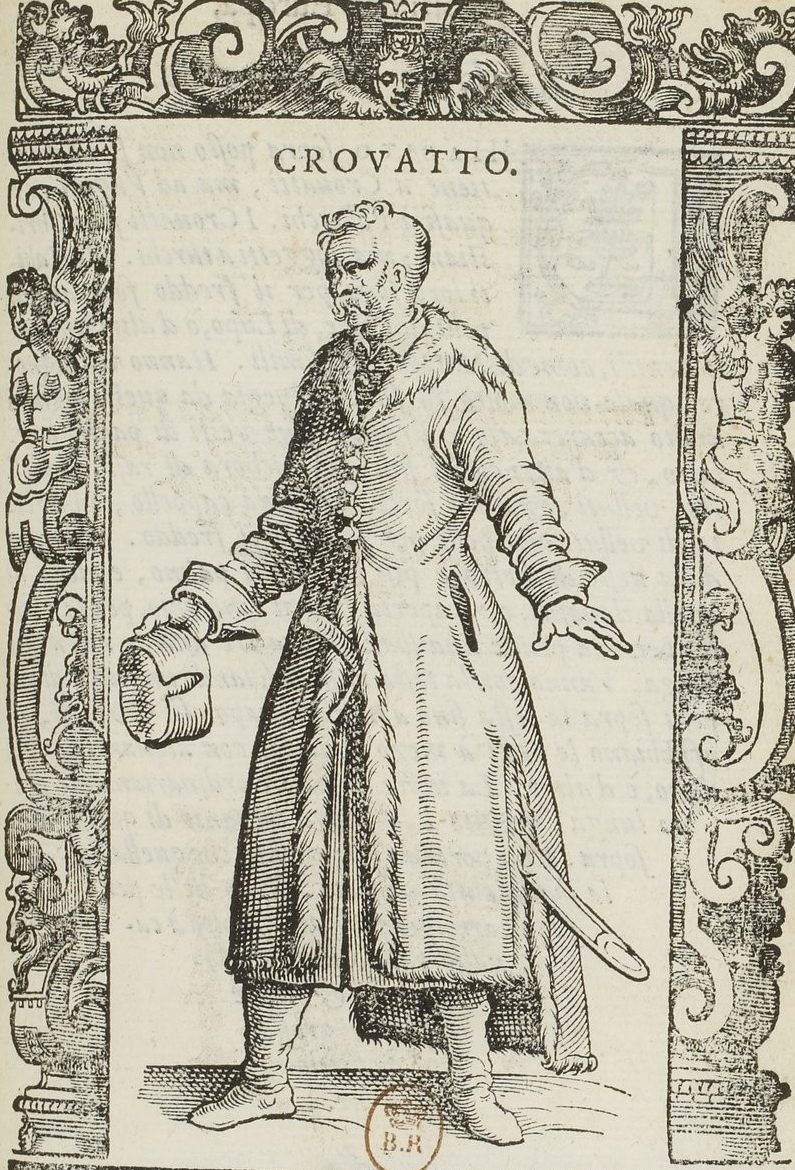
At the Musée de Cluny in Paris, medieval tapestries and reliefs reveal how textile can carry symbolism and cultural memory. Beauty resides in detail, in layers that only reveal themselves to a patient eye.
At the Museo Nacional de Escultura in Valladolid, sculpture teaches proportion. Wood and patina hold balance between mass and movement. Harmony here is not decoration; it is discipline.
At the Museum of Arts and Crafts in Zagreb, applied arts remind us that culture lives in objects as much as in paintings. Textile, glass, metal and ornament speak of a civilization attentive to detail.
A museum teaches slowness.
In a time of rapid impressions, art demands presence. We step closer. We step back. We discover that the first glance rarely reveals the whole. That habit of a second and third look gradually enters everyday life.
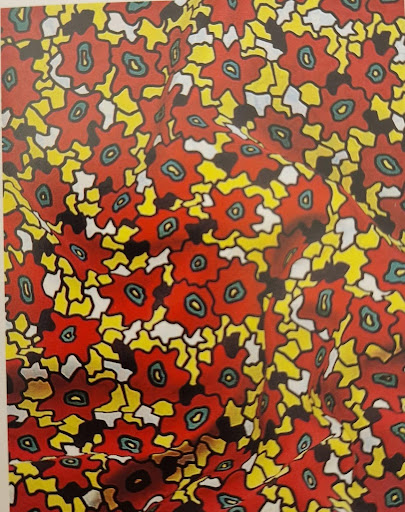
We begin to perceive colour differently. Shades become transitions rather than labels. Texture becomes experience. We understand that harmony lies not in quantity, but in relation.
Aesthetic culture is not built on advice. It is formed through experience.
When we observe composition, we become sensitive to proportion. When we study ornament, we become attentive to detail. When we contemplate sculpture, we become aware of posture. Art shapes the gaze, and the gaze shapes our choices.
A museum is not merely a place where the past is preserved. It is a place where taste is formed.
There we learn to distinguish the lasting from the fleeting, the subtle from the banal, measure from effect. We learn that elegance is not improvisation, but the result of inner balance.
The culture of seeing is not a privilege. It is a practice of attention.
And attention is the foundation of beauty.
For we do not choose beauty only at the moment of decision. We choose it according to how we have learned to see.